High Protein Foods for Gut Health: The 10 Best Options
Protein has become the dominant nutritional conversation in America.
High-protein diets, protein-first eating, 30 grams of protein at breakfast — the advice is everywhere. For good reason. Protein supports muscle maintenance, satiety, blood sugar stability, and metabolic health in ways that are genuinely well-supported by research.
But here’s what the protein conversation consistently misses: not all protein sources affect your gut microbiome the same way. Some high-protein foods actively support a diverse, balanced microbiome. Others, consumed in excess, shift gut bacteria toward inflammation. They also reduce microbial diversity over time.
In 2026, the smartest approach combines both goals. Prioritize protein sources that serve your gut as much as they serve your muscles.
Here are the best high-protein foods for gut health — and the science behind why they work.
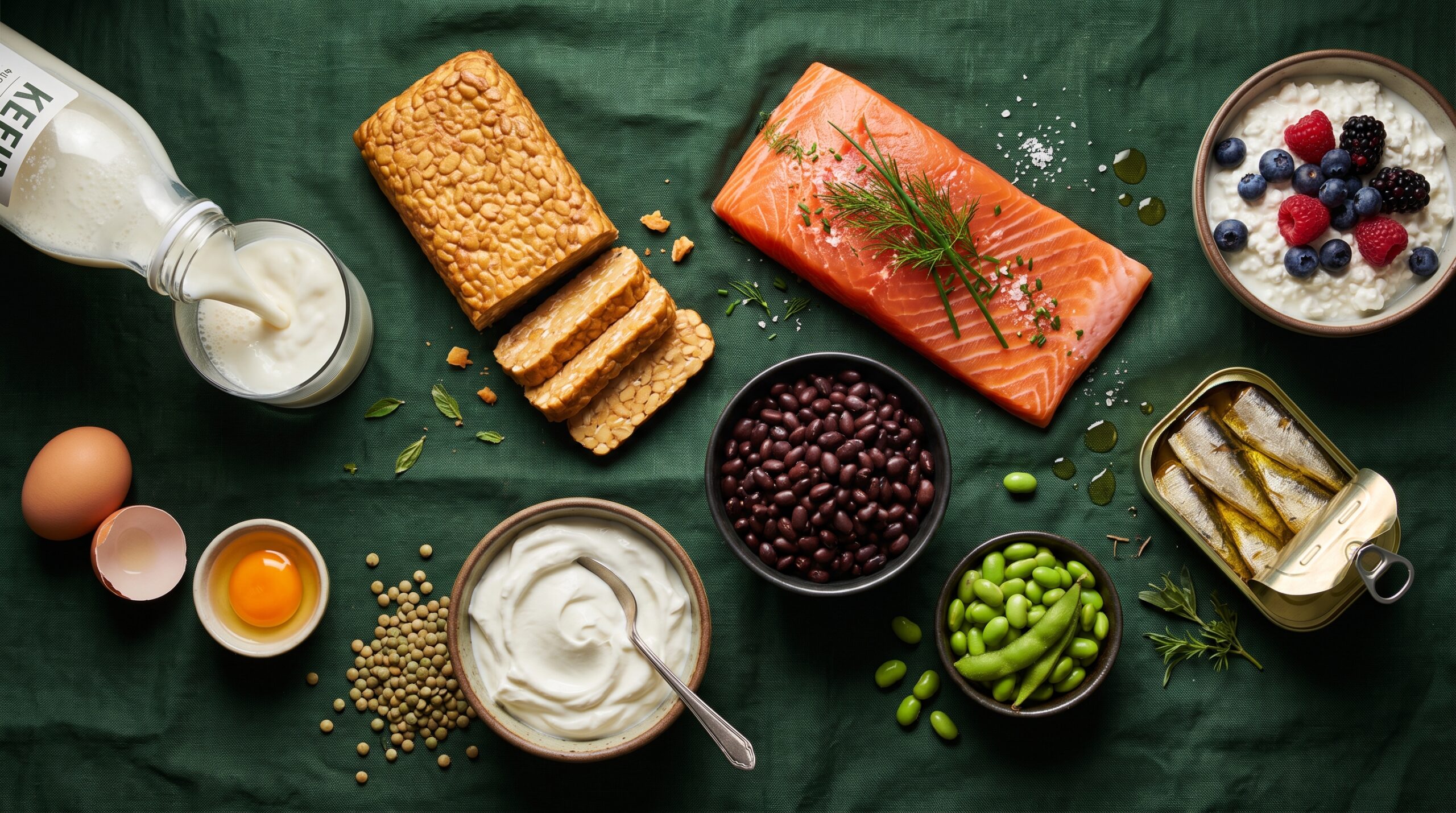
Quick Reference: Best High-Protein Foods for Gut Health
| Food | Protein per Serving | Gut Health Benefit | Best For |
|---|---|---|---|
| Tempeh | 31g per cup | Probiotic + prebiotic fiber | Microbiome diversity |
| Wild-caught salmon | 34g per 5oz | Omega-3s, reduces gut inflammation | Gut lining, inflammation |
| Greek yogurt (plain) | 17g per cup | Live cultures, probiotics | Microbiome rebuilding |
| Lentils | 18g per cup cooked | Prebiotic fiber, butyrate production | Bacterial diversity |
| Kefir | 11g per cup | 12+ probiotic strains | Dysbiosis recovery |
| Eggs | 12g per 2 eggs | Supports gut lining, leucine | Gut repair |
| Black beans | 15g per cup cooked | Resistant starch, prebiotic | Butyrate production |
| Edamame | 17g per cup | Prebiotic fiber, isoflavones | Microbial diversity |
| Sardines | 23g per can | Omega-3s, gut anti-inflammatory | Gut inflammation |
| Cottage cheese | 25g per cup | Casein protein, probiotics (if live) | Gut lining support |
Why Protein Source Matters for Gut Health
Your gut microbiome doesn’t just process what you eat — it responds to it.
Different protein sources create fundamentally different gut environments. Plant proteins arrive with fiber, phytonutrients, and prebiotic compounds that feed beneficial bacteria. Fermented protein sources add live cultures directly. Fatty fish provide omega-3s that reduce gut inflammation and support barrier function.
The concern with excessive animal protein — particularly red and processed meat — comes from protein fermentation in the colon. Gut bacteria ferment undigested protein, producing ammonia, hydrogen sulfide, and other compounds. In moderate amounts, this is normal. In excess — especially when fiber is low — it shifts bacterial populations toward more inflammatory species.
This isn’t an argument against animal protein. It’s an argument for choosing animal proteins that come with gut-protective co-factors. Pair all protein sources with adequate fiber.
The 10 Best High-Protein Foods for Gut Health
1. Tempeh
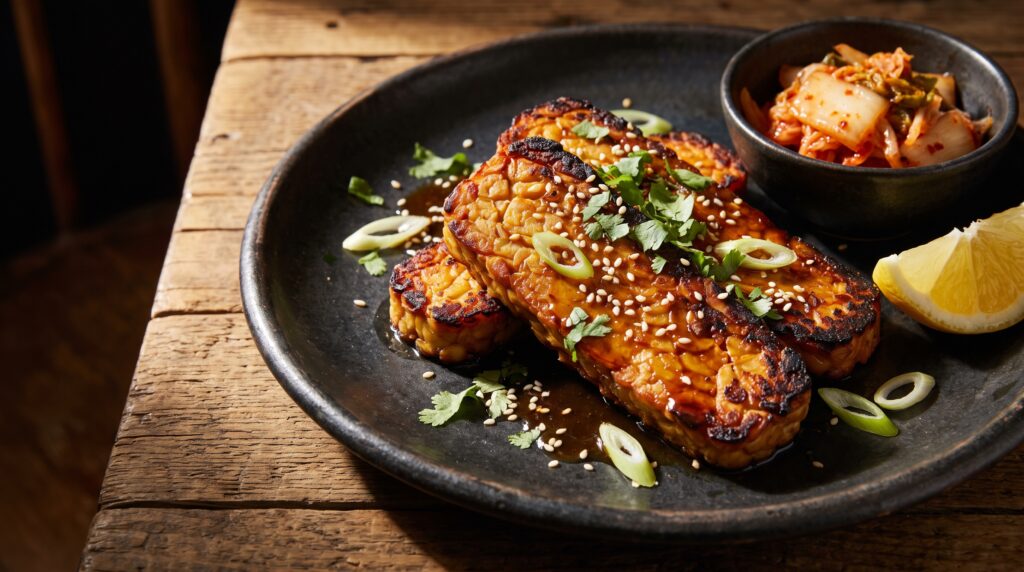
Tempeh earns the top position for one reason. It’s the only food here that delivers high protein, probiotic benefit, and prebiotic fiber — all in one serving.
Made from fermented whole soybeans bound by Rhizopus oligosporus mold, it forms a firm, sliceable cake. The fermentation produces beneficial bacteria and enzymes. It also significantly increases protein digestibility, reduces phytic acid, and creates bioactive compounds with anti-inflammatory properties.
One cup provides approximately 31 grams of protein alongside 9 grams of fiber. Research published in Nutrients found that regular tempeh consumption significantly increased Bifidobacterium and Lactobacillus populations in study participants over 8 weeks.
How to use it: Slice and pan-fry in olive oil with tamari, garlic, and ginger. Crumble into grain bowls or taco fillings. Marinate and bake for a firmer texture.
2. Wild-Caught Salmon
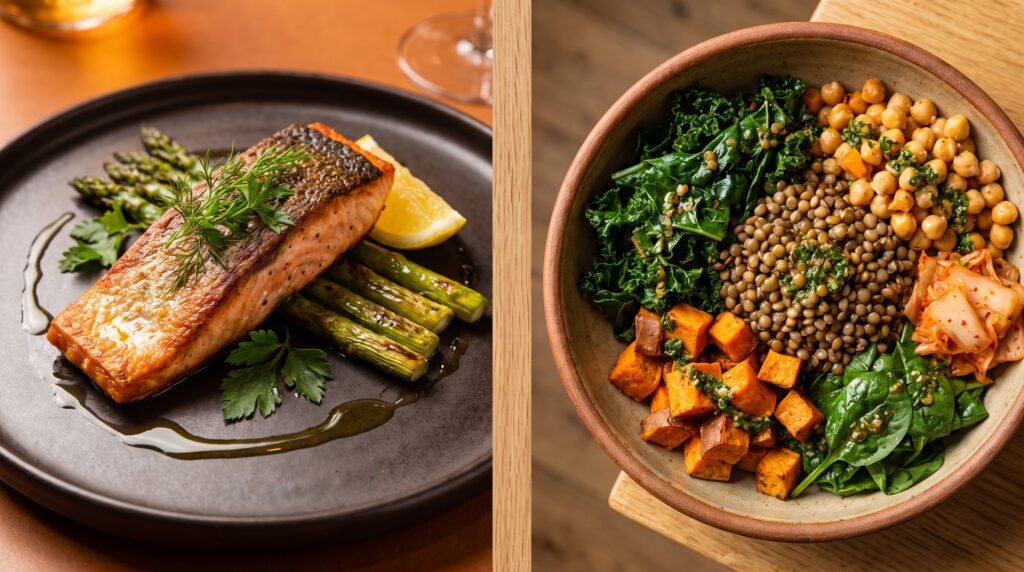
Wild-caught salmon delivers exceptional protein alongside omega-3 fatty acids — the combination that makes it uniquely valuable for gut health among animal proteins.
A 5-ounce serving provides approximately 34 grams of protein and 2–3 grams of combined EPA and DHA. These omega-3s reduce pro-inflammatory compounds that damage the gut lining and disrupt tight junction proteins. A 2020 study in Gut found that omega-3 supplementation significantly increased Lactobacillus and Bifidobacterium populations while reducing pro-inflammatory bacterial strains.
Wild-caught salmon also contains astaxanthin — responsible for its distinctive color. It has specific anti-inflammatory effects in gut tissue and supports Akkermansia muciniphila populations. Wild-caught varieties have significantly higher omega-3 to omega-6 ratios than farmed salmon. This difference is meaningful for gut health outcomes.
How to use it: Bake, pan-sear, or poach. Two to three servings weekly provides therapeutic omega-3 levels. Canned wild-caught sockeye is a convenient, affordable alternative.
3. Plain Greek Yogurt With Live Cultures
Greek yogurt delivers approximately 17 grams of protein per cup alongside live probiotic cultures — making it a genuine dual-benefit food.
The straining process concentrates both protein and live cultures while removing most lactose. This makes it tolerable for many people who struggle with regular dairy. The primary cultures include Lactobacillus acidophilus, Lactobacillus bulgaricus, and Streptococcus thermophilus — all with documented evidence for gut microbial balance.
A 2019 Journal of Nutrition study found that daily yogurt over 9 weeks significantly increased Bifidobacterium populations. Results were measured against a non-fermented dairy control group. Choose plain, full-fat, unsweetened varieties with “live and active cultures” on the label. Flavored yogurts with added sugars feed harmful gut bacteria and counteract the probiotic benefit.
How to use it: Eat plain with fresh berries and honey. Use as a smoothie or overnight oats base. Substitute for sour cream in savory dishes. Blend with garlic and herbs for a high-protein dip.
4. Lentils
Lentils are the plant protein with the most consistent evidence for gut microbiome benefit — high protein plus exceptional fiber in one food.
One cooked cup provides approximately 18 grams of protein alongside 15 grams of fiber. That fiber is predominantly resistant starch and prebiotic compounds that specifically feed butyrate-producing bacteria. Butyrate is the short-chain fatty acid most critical for colon cell health and gut lining integrity.
Research in the British Journal of Nutrition found that regular lentil consumption significantly increased Faecalibacterium prausnitzii — the species most consistently associated with gut health and reduced inflammation. Butyrate production also increased measurably. Lentils also provide all essential amino acids when combined with a grain, making them a complete protein source.
How to use it: Red lentils cook in 15 minutes without soaking — ideal for soups and curries. Green and black lentils hold their shape for grain bowls and salads.
If lentils cause bloating initially, read: Why Am I Always Bloated? 8 Real Causes and Natural Remedies
5. Kefir
Kefir is frequently overlooked as a protein source. One cup provides approximately 11 grams of protein alongside the most diverse probiotic profile of any food available.
With 12 or more bacterial strains plus beneficial yeasts, it delivers more microbial diversity than most probiotic supplements. The protein is primarily whey and casein — both highly bioavailable and supportive of gut lining integrity. Whey protein specifically supports glutathione production, the body’s primary antioxidant that protects gut epithelial cells from oxidative damage.
The Stanford Cell study remains the most compelling evidence for kefir’s gut health impact. Participants consuming kefir daily for 10 weeks showed the greatest microbiome diversity increases and inflammatory marker reductions of any dietary intervention tested.
How to use it: Drink plain as a standalone beverage. Use as the liquid base for protein smoothies. Add to overnight oats for a combined protein-probiotic breakfast.
6. Eggs
Eggs provide approximately 12 grams of complete protein per two eggs alongside nutrients with specific gut health relevance — particularly leucine, choline, and vitamin D.
Leucine is the amino acid most critical for protein synthesis but also maintains intestinal tight junction integrity. Research has shown that leucine directly supports the expression of tight junction proteins that determine gut barrier permeability. Choline in egg yolks supports the production of phosphatidylcholine, a key component of the gut’s protective mucus layer.
Vitamin D in eggs — especially from pasture-raised hens — plays a regulatory role in gut immune function. A 2020 meta-analysis found that vitamin D deficiency was significantly associated with increased intestinal permeability. Correcting deficiency through diet reduced gut permeability markers measurably.
How to use it: Poached or soft-boiled preserves more nutrients than hard scrambling. Pair with sauerkraut for a simple gut-health combination.
7. Black Beans
Black beans provide approximately 15 grams of protein per cooked cup with one of the highest resistant starch contents of any legume.
Resistant starch — highest when beans are cooked and cooled before eating — fuels butyrate-producing bacteria including Faecalibacterium prausnitzii and Roseburia intestinalis. Butyrate produced by these bacteria maintains gut lining integrity and reduces local inflammation. Research in the American Journal of Clinical Nutrition found that black bean consumption over four weeks significantly increased Bifidobacterium populations and reduced gut-derived inflammation markers.
Black beans also contain polyphenols — particularly anthocyanins from their dark pigment — with prebiotic effects on Akkermansia muciniphila.
How to use it: Add to grain bowls, tacos, soups, and salads. Cooked and cooled beans used in cold preparations have higher resistant starch content than freshly hot-cooked ones.
8. Edamame
Edamame provides approximately 17 grams of complete protein per cup alongside prebiotic fiber and isoflavones with specific gut microbiome effects.
The isoflavones in edamame — particularly genistein and daidzein — are metabolized by specific gut bacteria into bioactive compounds with anti-inflammatory and estrogen-modulating properties. This creates a bidirectional relationship. A healthy microbiome extracts more benefit from edamame. Meanwhile, edamame’s prebiotic fiber supports the bacterial diversity needed to metabolize it.
Research in the Journal of Nutritional Biochemistry found that whole food soy isoflavones selectively increased Bifidobacterium and Lactobacillus. Pathogenic bacterial counts also dropped measurably.
How to use it: Steam from frozen, lightly salted, as a snack. Add shelled edamame to grain bowls, stir-fries, or salads.
9. Sardines
Sardines are the most underrated high-protein food for gut health on this list. One can provides 23 grams of protein alongside 1.5–2 grams of combined EPA and DHA.
Because sardines are small, short-lived fish, they accumulate significantly less mercury than larger fish like tuna. This makes them practical for near-daily use. Consistent intake is what achieves the omega-3 levels that produce documented gut microbiome effects. Sardines also provide calcium from their edible bones, vitamin D, and B12. All three are directly relevant to gut health.
Wild Planet and King Oscar are among the most reliably sourced sardine brands available in the US market.
How to use it: On whole grain crackers with mustard and arugula. In pasta with garlic and olive oil. On salads or mashed into avocado toast.
10. Cottage Cheese
Cottage cheese has experienced a significant resurgence in American nutrition culture. One cup provides approximately 25 grams of protein — predominantly casein, a slow-digesting protein with specific relevance to gut lining integrity.
Casein contains glutamine-rich peptides that support intestinal epithelial cell function and tight junction maintenance — similar to supplemental L-glutamine. Some brands now add live probiotic cultures post-pasteurization. Look for “live and active cultures” on the label. Good Culture and Nancy’s Probiotic Cottage Cheese are the most widely available probiotic options in the US.
How to use it: Eat plain with berries. Blend until smooth as a high-protein sauce base. Substitute for ricotta in savory dishes.
How to Build These Foods Into a High-Protein Gut-Health Day
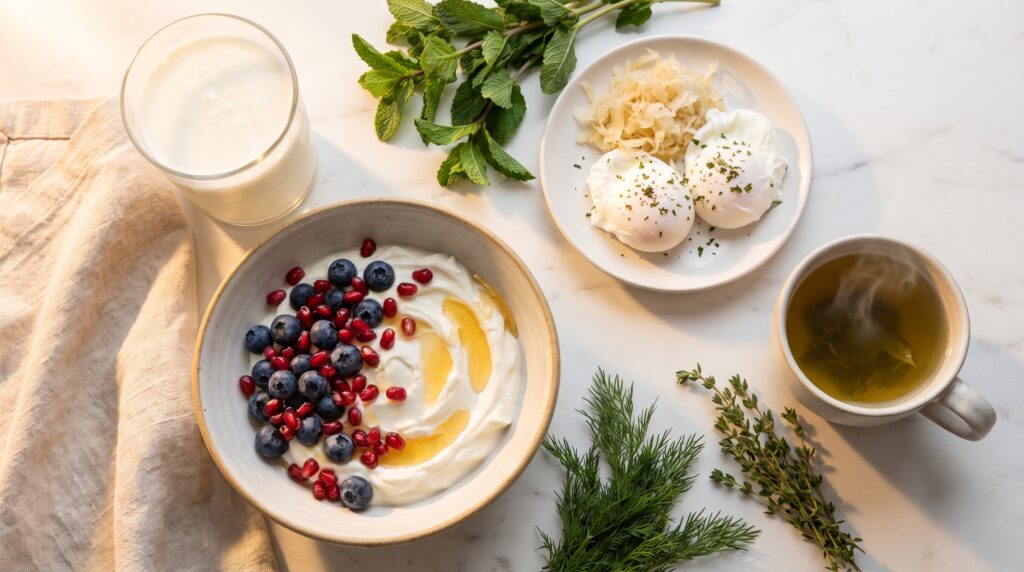
Breakfast: Greek yogurt or kefir with berries and flaxseed. Alternatively, two eggs with sauerkraut on the side — protein plus probiotic in one meal.
Lunch: Lentil soup or black bean grain bowl with dark leafy greens, olive oil and garlic dressing, and kimchi on the side.
Dinner: Wild-caught salmon or sardines with roasted asparagus and broccoli in olive oil, alongside a small serving of tempeh or edamame.
Snacks: Cottage cheese with blueberries, or a small bowl of edamame lightly salted.
This daily template provides 100 to 130 grams of protein — adequate for most adults targeting higher protein intake. It also delivers fermented foods twice daily, prebiotic fiber at every meal, omega-3 fatty acids, and diverse plant variety.
For the complete dietary framework, read: Gut Health Diet Plan for Beginners: A Complete 7-Day Guide
What to Avoid: High-Protein Foods That Hurt Gut Health
Processed deli meats and sausages contain nitrates and preservatives with documented negative effects on gut microbiome composition. Minimal gut-protective co-factors make them a poor trade-off.
Protein powders with artificial sweeteners — sucralose and aspartame specifically — have documented negative effects on gut bacteria populations independent of caloric content. Choose options sweetened with stevia or monk fruit, or unflavored protein.
Excessive red meat without fiber shifts the gut toward more inflammatory bacterial species through protein fermentation in the colon. Red meat in moderation alongside high-fiber plant foods is manageable. As the primary daily protein source with minimal fiber, it consistently produces unfavorable microbiome shifts.
Protein bars with long ingredient lists — most contain emulsifiers, artificial sweeteners, seed oils, and refined sugar alongside the protein. Read the ingredient list before looking at the macros.
The Bottom Line
High protein and healthy gut don’t just coexist — the right protein sources actively support gut health while delivering the protein your body needs.
Each food on this list — tempeh, salmon, Greek yogurt, lentils, kefir, eggs, black beans, edamame, sardines, and cottage cheese — delivers protein alongside specific gut benefits. Thinking about protein source quality, not just quantity, produces results that neither approach achieves on its own.
Feed your microbiome and your muscles. They need each other.
💊 Want to support your gut microbiome further? A quality probiotic combined with these protein sources produces faster microbiome improvement than diet alone. See Will Silva’s top pick on Amazon (affiliate link — independently researched)
→ Read next: 15 Foods That Heal Your Gut and Reduce Inflammation
→ Also read: Best Foods for a Healthy Gut: The Complete Quick Guide
Frequently Asked Questions
Q: Is protein bad for gut health? A: No — protein is essential and not inherently harmful. The source matters most. Plant proteins, fermented proteins, and fatty fish consistently support gut health. Excessive processed meat and artificially sweetened protein powders can negatively affect the microbiome. Choose gut-supportive sources and keep fiber intake high.
Q: How much protein do I need for muscle and gut health? A: For most adults, 0.7 to 1.0 grams of protein per pound of body weight daily is a practical target. Distribute this across three to four meals. Prioritize the gut-supportive sources in this guide and pair each meal with adequate fiber.
Q: Is plant protein better for gut health than animal protein? A: Plant proteins generally arrive with more prebiotic fiber and fewer inflammatory compounds — which benefits gut microbiome diversity. However, fermented animal proteins and omega-3-rich fish provide gut benefits that most plant proteins don’t. A diet including both — emphasizing legumes, fermented dairy, and fatty fish — produces the best gut outcomes.
Q: Can high protein diets cause bloating? A: Yes, in some cases — particularly when protein intake increases rapidly without a corresponding increase in fiber. Increasing protein through the foods in this guide typically reduces bloating over time because they come with fiber or probiotic support.
Q: Is Greek yogurt or cottage cheese better for gut health? A: Both are excellent. Greek yogurt has more consistently documented probiotic evidence and is more widely available with live cultures. Cottage cheese has higher protein density and the gut-lining benefits of casein protein. Rotating between both provides complementary benefits.
References & Further Reading
- Wastyk HC, et al. “Gut-microbiota-targeted diets modulate human immune status.” Cell, 2021.
- Baxter NT, et al. “Dynamics of Human Gut Microbiota and Short-Chain Fatty Acids in Response to Dietary Interventions with Three Fermentable Fibers.” mBio, 2019.
- Koh A, et al. “From dietary fiber to host physiology: short-chain fatty acids as key bacterial metabolites.” Cell, 2016.
- Calder PC. “Omega-3 fatty acids and inflammatory processes: from molecules to man.” Biochemical Society Transactions, 2017.
- Dahl WJ & Stewart ML. “Position of the Academy of Nutrition and Dietetics: Health Implications of Dietary Fiber.” Journal of the Academy of Nutrition and Dietetics, 2015.
This article is for informational purposes only and does not constitute medical advice. Always consult a qualified healthcare professional for personal health concerns.