Why Am I Always Bloated? 8 Real Causes and Natural Remedies
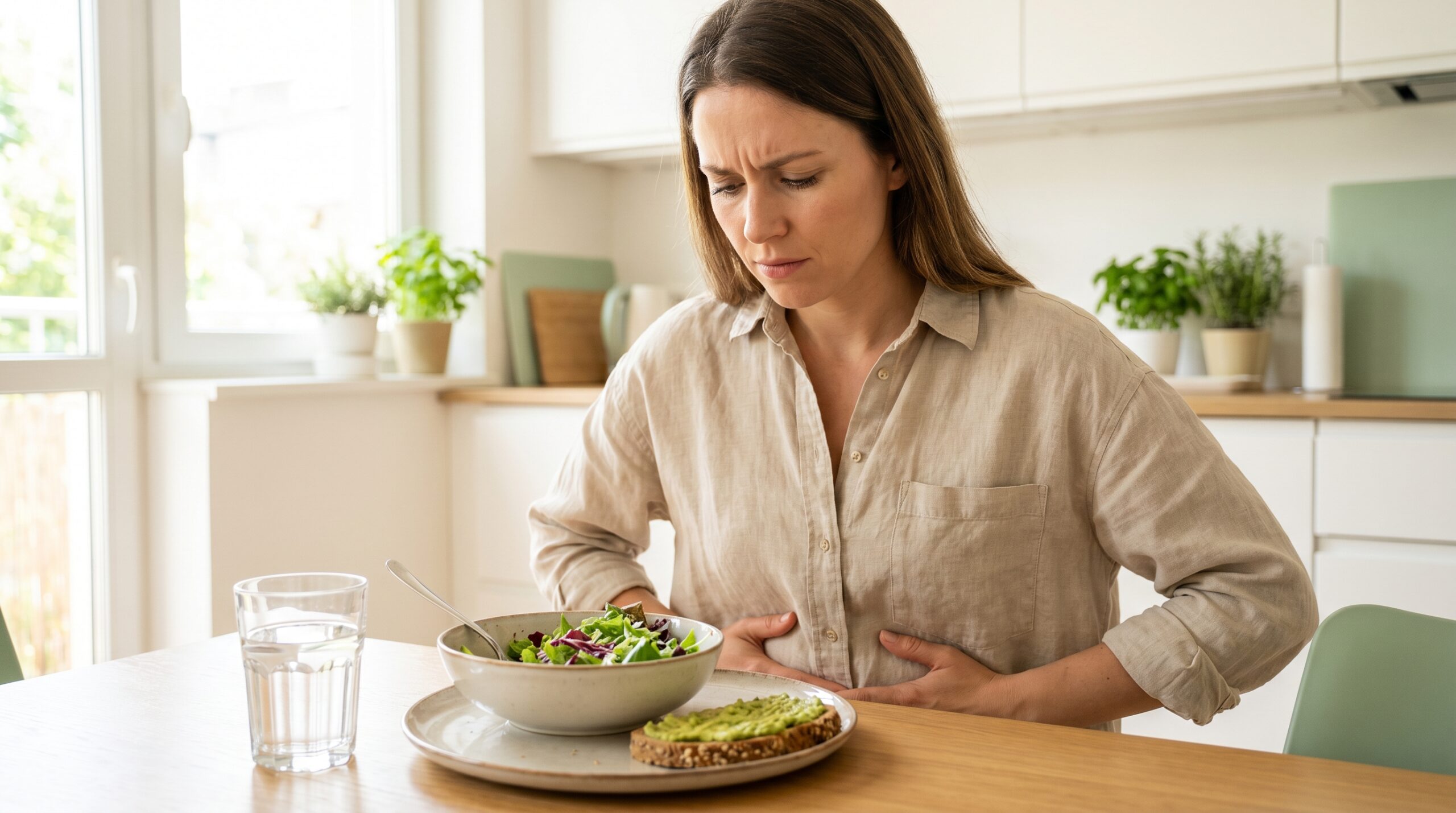
There’s a specific kind of frustration that comes with chronic bloating.
It’s not just the physical discomfort — the tightness, the pressure, the way your clothes fit differently by evening than they did in the morning. It’s the confusion. You eat a salad and bloat. You eat nothing and still bloat. You try cutting out bread, then dairy, then everything remotely suspicious — and the bloating just keeps coming back.
If that sounds familiar, this article is for you.
Bloating is one of the most searched digestive complaints in the United States, and also one of the most misunderstood. Most people assume it’s caused by something they ate. The reality is almost always more complicated — and more fixable — than that.
In this guide, we’re going to break down the 8 real causes of chronic bloating and walk through natural remedies that are actually supported by the research. Not guesses. Not generic advice. Real explanations, real solutions.
Quick Reference: 8 Causes at a Glance
| # | Cause | Most Common Trigger | Fixable? |
|---|---|---|---|
| 1 | Gut microbiome imbalance | Antibiotics, poor diet | Yes |
| 2 | Eating too fast | Rushed meals, stress | Yes |
| 3 | FODMAP sensitivity | Onions, garlic, wheat, dairy | Yes |
| 4 | Low stomach acid | Age, stress, medications | Yes |
| 5 | Small intestinal bacterial overgrowth (SIBO) | Dysbiosis, motility issues | Yes (with guidance) |
| 6 | Chronic stress | Cortisol, gut-brain axis | Yes |
| 7 | Food intolerances | Lactose, gluten, fructose | Yes |
| 8 | Hormonal fluctuations | Menstrual cycle, perimenopause | Manageable |
First, Let’s Clear Something Up
Bloating occasionally after a large meal is normal. That’s not what we’re talking about here.
What we’re addressing is the kind of bloating that shows up consistently — after meals that shouldn’t cause it, sometimes even when you haven’t eaten much at all, and often accompanied by other symptoms like gas, discomfort, or that “full but not full” feeling that’s hard to describe.
That kind of persistent bloating is a signal. Your digestive system is trying to tell you something is off — and nine times out of ten, the root cause is one of the eight things below.
→ If you’re also experiencing fatigue, brain fog, skin issues or mood changes alongside your bloating, those may all be connected. Read: 10 Signs You Have an Unhealthy Gut (And How to Fix It)
8 Real Causes of Chronic Bloating
1. Your Gut Microbiome Is Out of Balance
This is the most common underlying cause of chronic bloating — and the one most people never address because they don’t know it’s there.
Your gut contains trillions of microorganisms that collectively regulate your digestion. When this ecosystem is balanced, food is broken down efficiently, gas production stays at manageable levels, and things move through your digestive tract on schedule. When it’s not — a condition called dysbiosis — even foods that should be completely benign can trigger fermentation, gas, and bloating.
What throws your microbiome off balance? Courses of antibiotics are one of the most common culprits, as they kill both harmful and beneficial bacteria indiscriminately. A diet high in processed foods, refined sugars, and alcohol also depletes beneficial bacterial populations over time. Chronic stress, poor sleep, and certain medications can all contribute as well.
A 2019 review published in Alimentary Pharmacology & Therapeutics found that gut microbiome composition was significantly associated with bloating severity in patients with functional gastrointestinal disorders — suggesting that addressing the microbiome, not just the symptoms, is the more effective long-term approach.
What to do: Introduce fermented foods daily (yogurt with live cultures, kefir, kimchi, sauerkraut), reduce processed food intake, and consider a multi-strain probiotic supplement to help restore bacterial diversity. More on this in the remedies section below.
What to watch for: Bloating that started after a course of antibiotics, a period of poor eating, or a bout of food poisoning — these are classic signs of microbiome disruption.
2. You’re Eating Too Fast
This one is simple but genuinely underestimated.
When you eat quickly, two things happen that directly cause bloating. First, you swallow significantly more air with each bite — air that ends up trapped in your digestive tract and needs somewhere to go. Second, your digestive system doesn’t get the preparation time it needs. Saliva production, stomach acid secretion, and enzyme release all happen in anticipation of food arriving. Rush that process and food arrives before the digestive machinery is ready, leading to incomplete breakdown and fermentation lower in the gut.
Research published in the Journal of the Academy of Nutrition and Dietetics found that eating rate significantly affects gut symptoms including bloating, with faster eaters reporting more frequent and more severe digestive discomfort than slower eaters.
What to do: Aim for at least 20 minutes per meal. Put your fork down between bites. Avoid eating at your desk or while scrolling your phone — distracted eating is almost always rushed eating.
What to watch for: Bloating that comes on quickly after meals (within 15–30 minutes), or that’s worse on days when you’re rushed or stressed at mealtimes.
3. You’re Sensitive to FODMAPs
FODMAPs are fermentable carbohydrates found in a wide range of foods — including many that are considered healthy.
The acronym stands for: Fermentable Oligosaccharides, Disaccharides, Monosaccharides, and Polyols. In people with sensitive guts, these carbohydrates aren’t well absorbed in the small intestine and pass into the colon where gut bacteria ferment them rapidly, producing gas and drawing water into the bowel — both of which cause bloating and discomfort.
Common high-FODMAP foods that trigger bloating include: onions and garlic (two of the highest), wheat and rye, dairy products containing lactose, apples, pears, watermelon, legumes (beans and lentils), and cashews.
The confusing part: many of these foods are actively promoted as healthy. And they are — for people whose gut can handle them. For someone with microbiome imbalance or gut sensitivity, the same foods can cause significant bloating.
A landmark study in Gastroenterology found that a low-FODMAP diet reduced bloating in over 75% of patients with irritable bowel syndrome — making it one of the most evidence-supported dietary interventions for chronic bloating.
What to do: Try a short-term (2–4 week) low-FODMAP elimination to identify your specific triggers. The goal is not to eliminate all FODMAPs forever — it’s to identify which ones your gut reacts to so you can make informed choices.
What to watch for: Bloating that’s worse after meals heavy in onions, garlic, legumes, or dairy — and that improves noticeably when you avoid those foods.
4. You Have Low Stomach Acid
This one surprises people, because most bloating advice focuses on too much acid. But low stomach acid — a condition called hypochlorhydria — is actually a more common and underdiagnosed cause of bloating than most people realize.
Here’s why it matters: stomach acid is what activates the digestive enzymes that break down protein, and it’s what signals the rest of your digestive system to prepare for incoming food. When acid levels are low, food leaves the stomach partially undigested. That partially digested food then reaches the small intestine where it becomes fuel for bacterial fermentation — and fermentation produces gas.
Low stomach acid becomes more common with age, but it can also be caused by chronic stress (which suppresses acid production), long-term use of proton pump inhibitors (PPIs), zinc deficiency, and H. pylori infection.
What to do: Try adding a tablespoon of apple cider vinegar diluted in water 15–20 minutes before your largest meal. Digestive bitters before meals can also help stimulate acid production naturally. If you’re on long-term PPIs, discuss with your doctor whether they’re still necessary.
What to watch for: Bloating that starts 1–2 hours after meals (rather than immediately), accompanied by a sense of food “sitting” in your stomach, burping, or feeling full after eating only small amounts.
5. You May Have SIBO (Small Intestinal Bacterial Overgrowth)
SIBO is one of the most common — and most commonly missed — causes of chronic, severe bloating. It occurs when bacteria that normally live in the large intestine migrate to and colonize the small intestine, where they don’t belong.
The small intestine is supposed to be relatively low in bacteria. When bacteria set up residence there, they start fermenting food much earlier in the digestive process than they should, producing hydrogen and methane gases that cause intense bloating — often beginning within 30–60 minutes of eating almost anything.
A 2020 review in Nutrients estimated that SIBO may affect 6–15% of healthy adults, and up to 78% of patients with irritable bowel syndrome — suggesting it’s far more prevalent than currently diagnosed.
SIBO is confirmed via a hydrogen/methane breath test and often requires treatment beyond dietary changes alone.
What to do: If your bloating is severe, chronic, and accompanies virtually every meal regardless of what you eat, speak to your doctor about SIBO testing. A breath test is simple and non-invasive. Treatment typically involves a short course of specific antibiotics (rifaximin) or herbal antimicrobials, followed by microbiome rebuilding.
What to watch for: Bloating that starts very quickly after eating (sometimes within minutes), is present almost every single day, and doesn’t respond meaningfully to dietary changes.
6. Chronic Stress Is Disrupting Your Gut
The gut-brain axis — the bidirectional communication network between your digestive system and your central nervous system — means that chronic stress doesn’t just affect your mood. It directly affects how your gut functions.
Under stress, your body prioritizes the fight-or-flight response and downregulates digestive activity. Stomach acid production decreases, gut motility slows, and the composition of your gut microbiome shifts in measurable ways. All of these changes create conditions where fermentation increases, gas builds up, and bloating becomes more frequent and more severe.
Research from Psychosomatic Medicine has shown that psychological stress is independently associated with increased intestinal permeability and gut microbiome disruption — both of which contribute directly to bloating.
If you notice your bloating is significantly worse during periods of stress, anxiety, or poor sleep — even when you’re eating well — the gut-brain axis is a very likely contributor.
What to do: Even 10 minutes of daily diaphragmatic breathing (slow, deep belly breathing) has been shown to reduce gut sensitivity and improve digestive motility. Regular exercise, consistent sleep, and reducing caffeine intake can all meaningfully reduce stress-related bloating over time.
What to watch for: Bloating that reliably worsens during high-stress periods, accompanied by changes in bowel habit, and that improves on relaxed weekends or vacations.
7. You Have an Unidentified Food Intolerance
Food intolerances are different from food allergies. An allergy triggers an immune response. An intolerance is a digestive processing failure — your gut simply doesn’t have the enzyme or the capacity to break down a specific compound efficiently.
The most common intolerances that cause bloating are lactose intolerance (inability to digest the sugar in dairy), gluten sensitivity (distinct from celiac disease), fructose malabsorption, and histamine intolerance.
What makes these tricky is that intolerances often develop gradually. You may have eaten dairy your entire life without issue and then noticed in your 30s or 40s that it started causing bloating. This is normal — enzyme production can decrease with age and with changes in gut microbiome composition.
What to do: A systematic elimination protocol is the most reliable way to identify food intolerances. Remove the suspected food completely for 3–4 weeks, then reintroduce it deliberately and observe your response over 48 hours. Keep a simple food and symptom journal during this process.
What to watch for: Bloating that consistently follows specific foods, with a delay of 30 minutes to several hours, often paired with gas, loose stools, or fatigue.
→ Food intolerances are often a downstream consequence of gut lining damage. Learn more: 10 Signs You Have an Unhealthy Gut (And How to Fix It)
8. Hormonal Fluctuations (Especially in Women)
If you’re a woman who notices your bloating follows a predictable monthly pattern — particularly in the week before your period or during perimenopause — hormones are almost certainly involved.
Estrogen and progesterone both influence gut motility and fluid retention. In the luteal phase (the two weeks before menstruation), progesterone rises and slows gut transit, creating conditions for fermentation and gas. Estrogen fluctuations affect intestinal permeability and gut bacteria composition. During perimenopause, the instability of both hormones can make gut symptoms unpredictable and sometimes severe.
A study published in Neurogastroenterology & Motility found that women with higher estrogen variability reported significantly more GI symptoms including bloating compared to those with more stable hormonal profiles.
What to do: Tracking your cycle alongside your bloating patterns is the first and most useful step — it helps you distinguish hormonal bloating from food-related bloating. Magnesium supplementation in the week before your period has solid evidence for reducing hormonal bloating. Reducing sodium and refined carbohydrates during the luteal phase also helps minimize fluid retention.
What to watch for: Bloating that follows a monthly pattern, peaks in the week before your period, and improves within a day or two of menstruation starting.
6 Natural Remedies That Actually Work
Now that you understand what’s causing the bloating, here’s what to do about it.
1. Rebuild your microbiome with fermented foods and probiotics
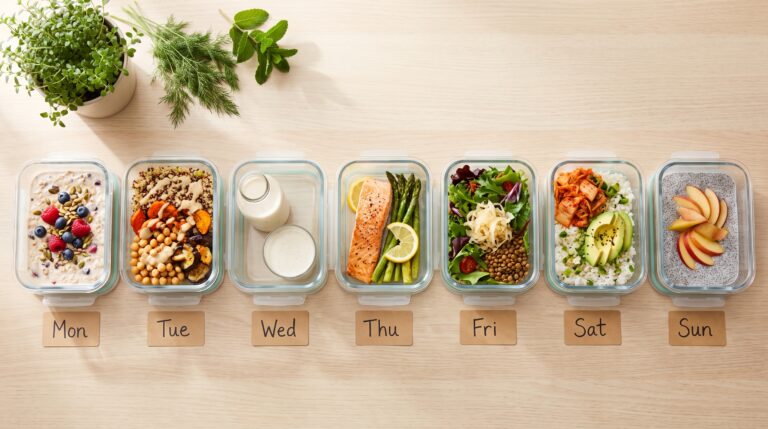
The most foundational remedy for most types of chronic bloating. Start with fermented foods daily — even a few tablespoons of sauerkraut, a serving of kefir, or a small yogurt with live cultures makes a difference over time.
For a more targeted approach, a multi-strain probiotic supplement helps restore bacterial diversity more efficiently, especially if your bloating started after antibiotics or a period of poor diet.
💊 Editor’s Pick: Best Probiotic Supplements for Gut Health — our tested recommendations
2. Try digestive enzymes before meals
Digestive enzyme supplements taken 10–15 minutes before meals help your body break down food more completely — reducing the amount that reaches the colon undigested and available for fermentation. Look for a broad-spectrum formula that includes amylase (for carbohydrates), protease (for protein), and lipase (for fat).
3. Eat slower and without distractions
Set a timer for 20 minutes if you need to. Put your phone away. Chew each bite more than you think you need to. These changes sound too simple to matter — they’re not. Eating rate has a direct, measurable effect on bloating frequency.
4. Try peppermint tea or peppermint oil capsules
Peppermint has genuine, well-documented evidence for reducing bloating. A 2014 meta-analysis in the Journal of Clinical Gastroenterology found that enteric-coated peppermint oil capsules were significantly more effective than placebo for reducing abdominal symptoms including bloating. Peppermint tea is a milder but accessible option for daily use.
5. Walk after meals
A 10–15 minute gentle walk after eating accelerates gastric emptying and improves gut motility — both of which reduce the time food has to sit and ferment. This is one of the most underused but effective tools for post-meal bloating.
6. Reduce carbonated beverages
Carbonated drinks introduce gas directly into your digestive tract. If you’re prone to bloating, even sparkling water can make things noticeably worse. Try still water infused with cucumber, lemon, or fresh mint as an alternative.
When Bloating Requires Medical Attention
Most chronic bloating improves with the dietary and lifestyle changes above. But some symptoms warrant prompt evaluation by a healthcare provider.
See a doctor if you experience:
- Bloating accompanied by significant, unintentional weight loss
- Blood in your stool or dark, tarry stools
- Severe abdominal pain that doesn’t resolve
- Bloating that came on suddenly and severely with no obvious cause
- Symptoms that progressively worsen despite dietary changes
- Bloating accompanied by persistent vomiting or difficulty swallowing
These may indicate conditions including inflammatory bowel disease, celiac disease, ovarian issues, or other causes that require medical diagnosis.
The Bottom Line
Chronic bloating almost always has a reason — and in most cases, it’s addressable without medication or extreme dietary restriction.
The most common root causes are gut microbiome imbalance, eating habits, FODMAP sensitivity, and stress. The most effective remedies work by addressing those root causes rather than just masking the symptoms.
Start with one change — typically, rebuilding the microbiome with fermented foods or a probiotic supplement — and give it three to four weeks before evaluating. Gut health changes are cumulative and gradual. The patience is worth it.
→ Read next: 10 Signs You Have an Unhealthy Gut (And How to Fix It)
References & Further Reading
- Saffouri GB, et al. “Small intestinal microbial dysbiosis underlies symptoms associated with functional gastrointestinal disorders.” Nature Communications, 2019.
- Ford AC, et al. “Efficacy of a Low-FODMAP Diet in Irritable Bowel Syndrome.” Gastroenterology, 2018.
- Ghoshal UC, et al. “Small Intestinal Bacterial Overgrowth and Irritable Bowel Syndrome.” Journal of Neurogastroenterology and Motility, 2020.
- Mayer EA. “Gut feelings: the emerging biology of gut-brain communication.” Nature Reviews Neuroscience, 2011.
- Khanna R, MacDonald JK, Levesque BG. “Peppermint oil for the treatment of irritable bowel syndrome.” Journal of Clinical Gastroenterology, 2014.
This article is for informational purposes only and does not constitute medical advice. Always consult a qualified healthcare professional for personal health concerns.





5 Comments