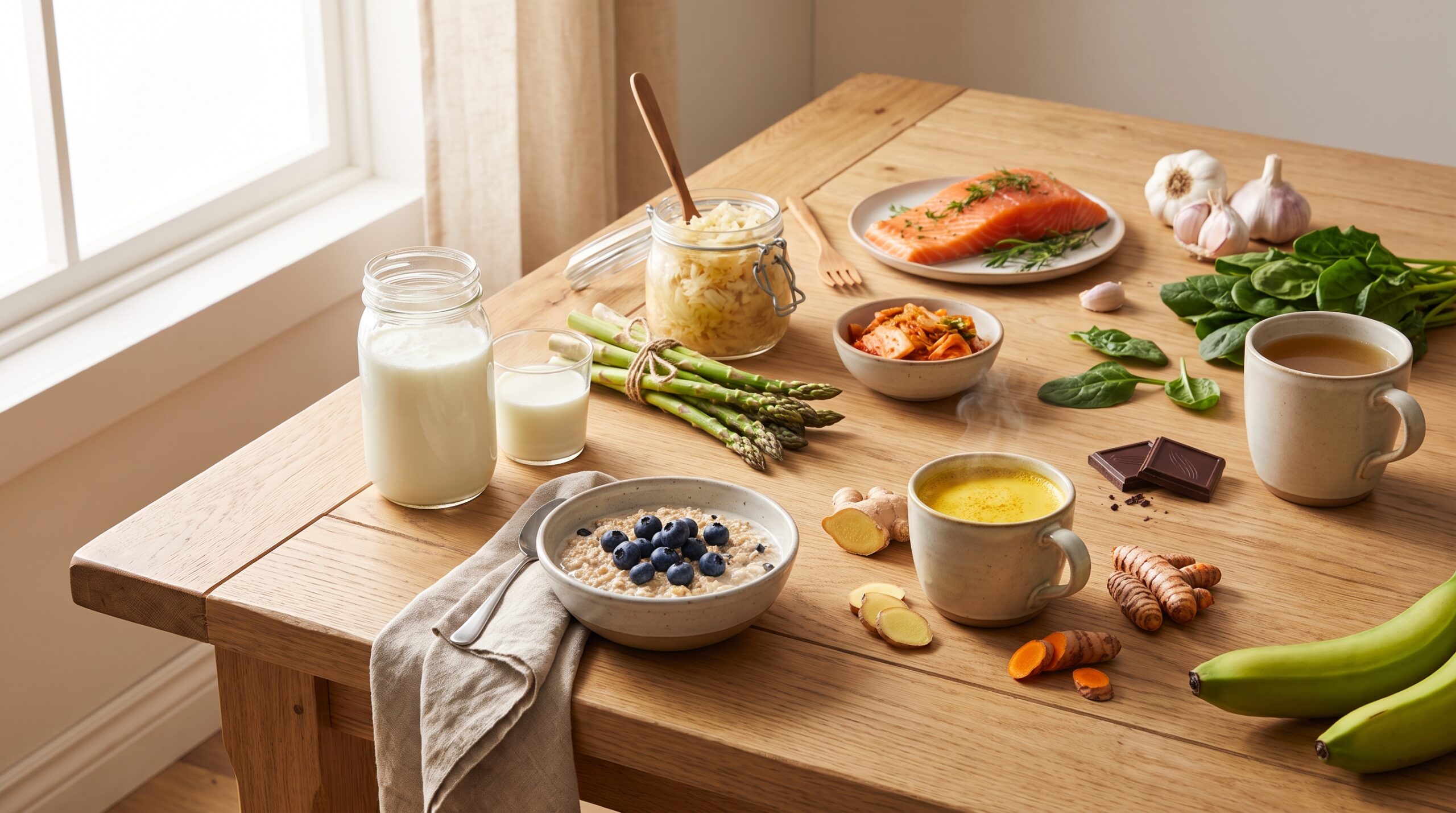
15 Foods That Heal Your Gut and Reduce Inflammation
There’s a reason the phrase “let food be thy medicine” has survived for 2,500 years.
Not because ancient wisdom is always right — but because in this particular case, the modern science keeps proving it out. What you eat doesn’t just fuel your body. It directly shapes the ecosystem living inside your gut, which in turn shapes almost everything about how you feel, think, and function.
The good news: some of the most powerful gut-healing foods are also some of the most delicious. You don’t need a restrictive protocol or an expensive superfood powder. You need to know which foods to prioritize — and why they work.
Here are 15 foods with genuine, research-backed evidence for healing the gut lining, reducing gut inflammation, and building a more diverse and resilient microbiome.
Quick Reference: 15 Gut-Healing Foods at a Glance
| # | Food | Primary Benefit | Best For |
|---|---|---|---|
| 1 | Sauerkraut | Live probiotics, gut flora restoration | Microbiome diversity |
| 2 | Kefir | Multi-strain probiotics, anti-inflammatory | Dysbiosis, bloating |
| 3 | Bone broth | Collagen, L-glutamine, gut lining repair | Leaky gut, inflammation |
| 4 | Ginger | Anti-inflammatory, gut motility | Bloating, nausea, slow digestion |
| 5 | Garlic | Prebiotic FOS, antimicrobial | Feeding good bacteria |
| 6 | Oats | Beta-glucan, prebiotic fiber | Bifidobacterium growth |
| 7 | Blueberries | Polyphenols, antioxidants | Reducing gut inflammation |
| 8 | Turmeric | Curcumin, anti-inflammatory | Gut lining, IBD support |
| 9 | Kimchi | Probiotics + prebiotic fiber combined | Microbiome diversity |
| 10 | Extra virgin olive oil | Polyphenols, oleocanthal | Gut inflammation, microbiome |
| 11 | Asparagus | Inulin prebiotic fiber | Feeding Bifidobacterium |
| 12 | Wild-caught salmon | Omega-3s, EPA, DHA | Reducing gut inflammation |
| 13 | Green bananas | Resistant starch | Butyrate production |
| 14 | Dark leafy greens | Sulfolipids, fiber, folate | Gut lining cells, diversity |
| 15 | Dark chocolate (85%+) | Polyphenols, prebiotics | Microbiome diversity, inflammation |
Why Food Is Your Most Powerful Gut Health Tool
Before we get into the list, it’s worth understanding the mechanism — because it changes how you think about eating for gut health.
Your gut microbiome responds to what you eat within 24 to 48 hours. Research published in Nature has shown that switching from a plant-based diet to an animal-based diet produces measurable changes in microbiome composition within a single day. The converse is equally true.
This means every meal is either building or eroding your gut health. There’s no neutral.
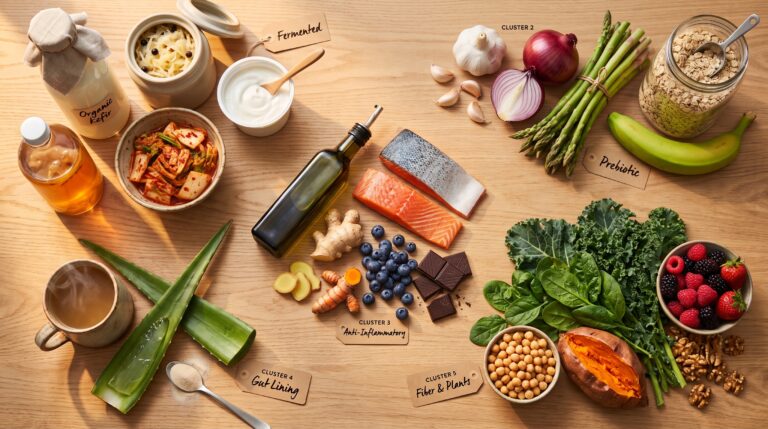
The foods below work through several different but complementary mechanisms: some introduce beneficial bacteria directly (probiotics), some feed the beneficial bacteria already present (prebiotics), some repair the gut lining directly, and some reduce the inflammation that prevents healing from occurring. The most powerful gut-health diets combine all four.
If you haven’t already, it’s worth understanding your baseline. Read: 10 Signs You Have an Unhealthy Gut (And How to Fix It)
15 Foods That Heal Your Gut
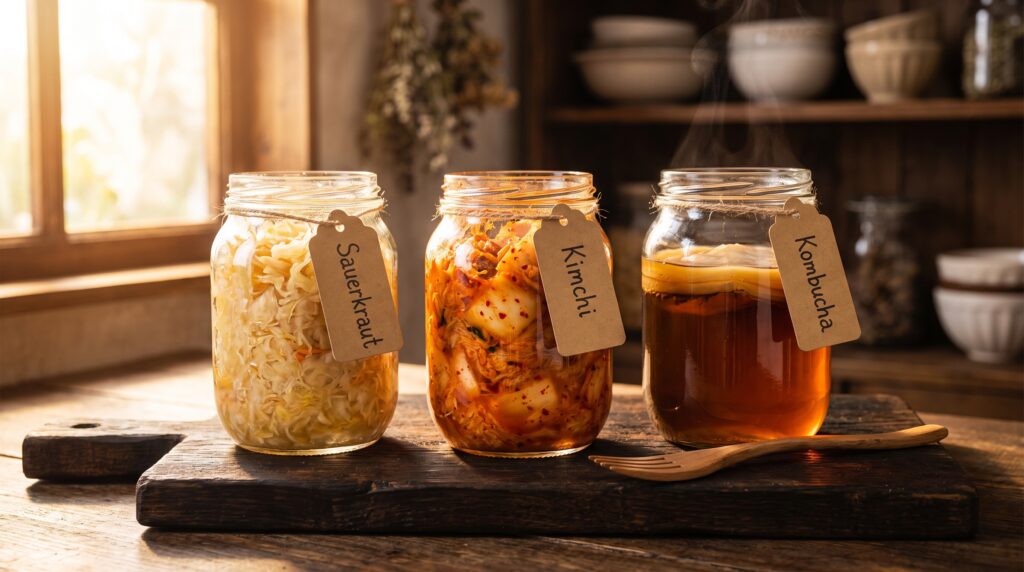
1. Sauerkraut (Unpasteurized)
Sauerkraut is fermented cabbage — and in its unpasteurized, traditionally made form, it’s one of the most potent probiotic foods available.
A single serving of traditionally fermented sauerkraut can contain anywhere from 1.5 million to 10 billion colony-forming units (CFUs) of beneficial bacteria — predominantly Lactobacillus species that have been extensively studied for their effects on gut microbiome composition, gut lining integrity, and immune function.
The critical distinction: unpasteurized sauerkraut (found in the refrigerated section of health food stores) contains live bacteria. Pasteurized sauerkraut (shelf-stable, in cans or jars on regular shelves) has been heat-treated, which kills the beneficial bacteria. They are nutritionally very different products.
Research published in the World Journal of Gastroenterology found that regular consumption of lacto-fermented foods including sauerkraut significantly increased gut microbiome diversity and reduced markers of intestinal inflammation over a 6-week period.
How to use it: 2–3 tablespoons as a side dish, on eggs, mixed into grain bowls, or alongside protein. Start with 1 tablespoon daily if your gut is sensitive — the probiotic activity can initially increase gas as your microbiome adjusts.
2. Kefir
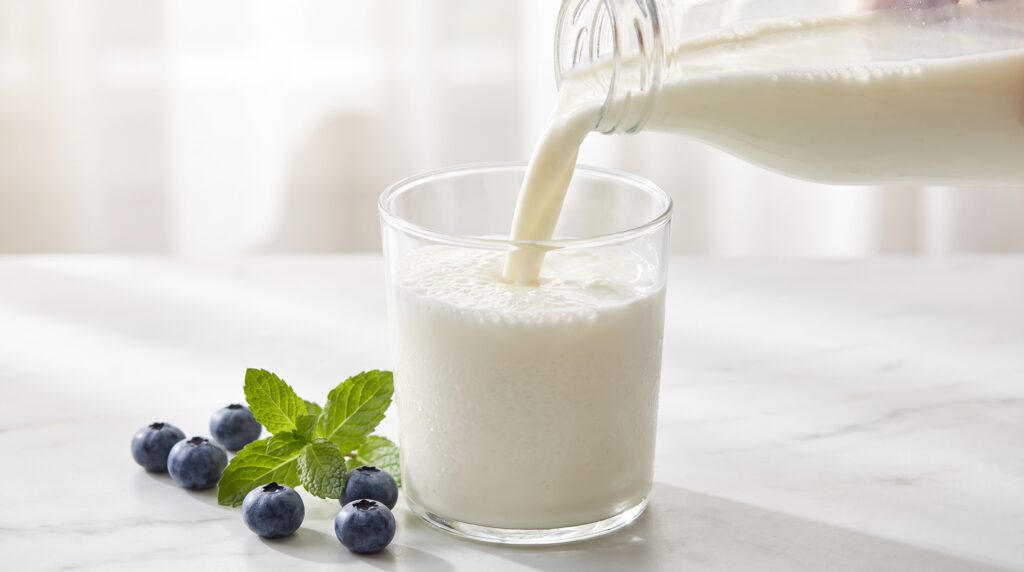
If there is one single food with the most consistent scientific evidence for gut microbiome improvement, kefir is a strong contender for that title.
Kefir is a fermented milk drink — though water kefir and coconut kefir are excellent dairy-free alternatives — that contains 12 or more strains of beneficial bacteria and yeasts. Unlike most probiotic supplements, kefir’s microbial community is self-reinforcing: the different strains support each other’s survival and activity in the gut.
The Stanford University study published in Cell in 2021 that we referenced in our microbiome improvement guide found that a high-fermented-food diet — with kefir as one of the primary foods — produced significantly greater microbiome diversity gains and inflammation reduction than a high-fiber diet over 10 weeks. Kefir was among the strongest individual contributors to those results.
Additionally, the fermentation process in kefir breaks down most of the lactose — making it tolerable for a significant proportion of people who cannot consume regular dairy.
How to use it: 1 cup daily, ideally in the morning. Can be drunk plain, blended into smoothies, used as a yogurt substitute in overnight oats, or used as a base for salad dressings. Look for full-fat, plain versions without added sugar.
3. Bone Broth
Bone broth has developed a wellness-culture reputation that sometimes overshadows the genuine, specific mechanisms that make it valuable for gut health.
When animal bones are simmered slowly for 12–24 hours, they release three compounds that are particularly relevant to gut healing:
Collagen and gelatin — which provide glycine, proline, and hydroxyproline, the amino acids that form the structural matrix of the gut lining. A damaged gut lining actively requires these building blocks for repair.
L-glutamine — the most abundant amino acid in bone broth and the primary energy source for intestinal epithelial cells (the cells that form your gut lining). L-glutamine has been shown in multiple clinical studies to reduce intestinal permeability and support tight junction integrity — the mechanism behind leaky gut healing.
Glycosaminoglycans — including glucosamine and chondroitin — which support the protective mucus layer that coats and protects the gut lining from damage.
A 2017 review in the Journal of Clinical Gastroenterology found significant evidence for L-glutamine’s role in maintaining gut barrier integrity, particularly in conditions of gut lining damage including leaky gut syndrome.
If you want to understand leaky gut more deeply, read: What Is Leaky Gut Syndrome? Symptoms, Causes and How to Heal
How to use it: 1–2 cups daily, drunk warm as a broth or used as the base for soups, stews, and cooking grains. Look for organic, grass-fed versions or make your own — homemade bone broth from quality bones is significantly richer in these compounds than most commercial products.
4. Ginger
Ginger is one of the most extensively studied plants in gastroenterological research — and the evidence for its gut health benefits is both broad and specific.
The primary active compounds in ginger — gingerols and shogaols — work through several mechanisms simultaneously: they reduce gut inflammation by inhibiting pro-inflammatory cytokines, they accelerate gastric emptying (reducing the time food sits fermenting in the stomach), they reduce gut hypersensitivity, and they have direct antimicrobial properties against certain pathogenic bacteria.
A 2014 meta-analysis in the European Journal of Gastroenterology & Hepatology found that ginger was significantly effective for accelerating gastric emptying and reducing dyspeptic symptoms — making it particularly useful for people with slow digestion, bloating, and post-meal discomfort.
Research has also found that gingerols modulate the gut microbiome toward more beneficial compositions, increasing populations of Lactobacillus and Bifidobacterium species while reducing pathogenic strains.
How to use it: Fresh ginger is more potent than dried. Grate 1–2 teaspoons into hot water for ginger tea, add to smoothies, use in stir-fries, or juice with lemon and apple. Ginger supplements (500–1000mg standardized extract) are effective for those who find consistent dietary use difficult.
5. Garlic
Garlic is simultaneously a prebiotic food, an antimicrobial agent, and an anti-inflammatory compound — a combination that makes it one of the most versatile gut health foods available.
The prebiotic activity comes from fructooligosaccharides (FOS) and inulin — fibers that selectively feed beneficial Bifidobacterium and Lactobacillus species. Research published in the Journal of Nutrition found that daily garlic consumption significantly increased populations of Bifidobacterium and Lactobacillus while reducing potentially harmful Clostridium species over a 4-week period.
The antimicrobial activity comes from allicin — a sulfur compound produced when garlic is crushed or chopped. Allicin has demonstrated activity against H. pylori, Candida albicans, and several other pathogenic organisms that can disrupt gut health.
The anti-inflammatory effects come from a range of sulfur compounds that inhibit inflammatory pathways implicated in gut inflammation, intestinal permeability, and dysbiosis.
How to use it: Raw garlic delivers the most allicin — crush or chop and let sit for 10 minutes before using to maximize allicin formation. Add to olive oil dressings, guacamole, or mix into yogurt-based dips. Cooked garlic loses most allicin but retains significant prebiotic fiber. Aim for 1–3 cloves daily.
6. Oats
Oats are one of the most accessible and well-studied prebiotic foods — and their gut health benefits go well beyond basic fiber content.
The key compound is beta-glucan — a specific type of soluble fiber that ferments slowly in the colon, producing butyrate and other short-chain fatty acids that fuel gut lining cells and reduce inflammation. Beta-glucan has also been shown to selectively increase populations of Bifidobacterium and Lactobacillus — two of the most beneficial bacterial genera in the gut microbiome.
A 2017 review in the British Journal of Nutrition found that oat beta-glucan consumption consistently increased microbial diversity and beneficial bacterial populations across multiple randomized controlled trials, with effects beginning within one to two weeks of daily consumption.
Oats also contain polyphenols (avenanthramides) with specific anti-inflammatory effects in the gut, and resistant starch that acts as additional prebiotic fuel for butyrate-producing bacteria.
How to use it: Overnight oats with kefir instead of milk combines oat prebiotics with kefir probiotics — a powerful gut health combination. Steel-cut oats are higher in resistant starch than rolled oats. Add green banana slices and a tablespoon of ground flaxseed for additional prebiotic benefit.
7. Blueberries
Blueberries are among the most polyphenol-dense foods available — and polyphenols are increasingly recognized as one of the most important dietary factors for gut microbiome health.
Polyphenols aren’t absorbed in the small intestine. They pass intact into the colon where they’re metabolized by gut bacteria — a process that simultaneously produces beneficial metabolites and selectively feeds polyphenol-metabolizing bacterial species, which tend to be anti-inflammatory.
Research published in Gut Microbes found that regular blueberry consumption significantly increased populations of Bifidobacterium and Akkermansia muciniphila — a species strongly associated with gut barrier integrity and metabolic health — while reducing populations of pro-inflammatory bacterial species.
The same polyphenols also directly inhibit the growth of pathogenic bacteria like Salmonella and E. coli in the gut, providing a complementary antimicrobial effect alongside their prebiotic benefits.
How to use it: 1/2 to 1 cup daily, fresh or frozen (frozen blueberries retain their polyphenol content fully). Add to overnight oats with kefir, blend into smoothies, or eat plain as a snack. Wild blueberries contain 2–3x more polyphenols than cultivated varieties and are widely available frozen.
8. Turmeric
Curcumin — the primary active compound in turmeric — is one of the most extensively studied anti-inflammatory compounds in nutritional science, with over 3,000 published studies examining its effects.
For gut health specifically, curcumin works through several mechanisms: it directly reduces production of NF-κB (a primary driver of gut inflammation), it supports tight junction integrity, it has demonstrated activity against H. pylori and Candida overgrowth, and emerging research suggests it positively modulates gut microbiome composition.
A 2016 systematic review in the Journal of Crohn’s and Colitis found that curcumin supplementation significantly reduced inflammatory markers and improved symptoms in patients with inflammatory bowel disease — making it one of the few nutraceuticals with clinical evidence for gut inflammation reduction.
The critical caveat: curcumin is very poorly absorbed on its own. Combining it with black pepper (which contains piperine) increases curcumin bioavailability by up to 2,000%. Always pair them.
How to use it: Golden milk (turmeric + black pepper + warm plant milk + honey) is the most effective and enjoyable delivery method. Add to soups, curries, roasted vegetables, or smoothies — always with black pepper. For therapeutic doses, turmeric supplements standardized to 95% curcumin with piperine are significantly more bioavailable than dietary turmeric alone.
9. Kimchi
Kimchi is the Korean fermented vegetable dish — most commonly made with napa cabbage, daikon, garlic, ginger, and chili — and it may be the single food that combines the most gut health benefits in one serving.
It provides: live beneficial bacteria (primarily Lactobacillus kimchii and related species), prebiotic fiber from the vegetables, anti-inflammatory compounds from ginger and chili, allicin from garlic, and a diverse range of phytonutrients that collectively support microbiome diversity.
A 2021 randomized controlled trial published in Beneficial Microbes found that daily kimchi consumption over 4 weeks significantly increased gut microbiome diversity, reduced inflammatory markers, and improved markers of gut barrier integrity compared to a control group.
Because kimchi delivers probiotics and prebiotics together — what’s called a synbiotic effect — it’s more effective than either fermented foods or fiber-rich foods eaten separately.
How to use it: 2–4 tablespoons as a side dish, in grain bowls, on eggs, in tacos, or alongside proteins. Available in most grocery stores and Asian supermarkets — look for refrigerated versions without added preservatives. Authentic kimchi has a short ingredients list: cabbage, vegetables, garlic, ginger, chili, salt.
10. Extra Virgin Olive Oil
Extra virgin olive oil is the dietary fat with the most consistent evidence for gut health benefits — and the mechanism is more specific than general “anti-inflammatory.”
Oleocanthal — a phenolic compound unique to extra virgin olive oil — inhibits the same inflammatory enzymes (COX-1 and COX-2) as ibuprofen, but without the gut lining damage that NSAIDs cause. It’s been called “nature’s ibuprofen” in the research literature.
The polyphenols in EVOO (particularly hydroxytyrosol and oleuropein) have been shown to selectively inhibit the growth of pathogenic bacteria including Helicobacter pylori, Clostridium perfringens, and Salmonella, while having neutral or positive effects on beneficial bacteria.
A 2019 study in Nutrients found that high EVOO consumption was associated with significantly higher gut microbiome diversity and increased populations of anti-inflammatory bacterial species, independent of other dietary factors.
How to use it: 2–3 tablespoons daily. Use as a salad dressing base, drizzle over cooked vegetables, use for low-heat cooking, or dip bread into it Mediterranean-style. The key word is “extra virgin” — light olive oil and regular olive oil have been heavily processed and contain minimal polyphenols. Look for EVOO in dark glass bottles with a harvest date within the past 18 months.
11. Asparagus
Asparagus is one of the richest food sources of inulin — a prebiotic fiber that specifically and potently feeds Bifidobacterium, one of the most beneficial bacterial genera in the gut microbiome.
Research published in Nutrients found that inulin supplementation (from asparagus and other sources) significantly increased Bifidobacterium populations within two weeks, with downstream improvements in gut transit time, stool consistency, and markers of gut inflammation.
Asparagus also contains folate, vitamins K and C, and specific antioxidants including glutathione that support gut lining cell integrity.
How to use it: Roasted, grilled, steamed, or raw in salads. Even 6–8 spears provides a meaningful prebiotic dose. If high-FODMAP sensitivity is a concern — asparagus is a moderate-FODMAP food — introduce gradually and monitor your response. It often becomes well-tolerated as the microbiome improves. If bloating is already a problem for you, read: Why Am I Always Bloated? 8 Real Causes and Natural Remedies
12. Wild-Caught Salmon
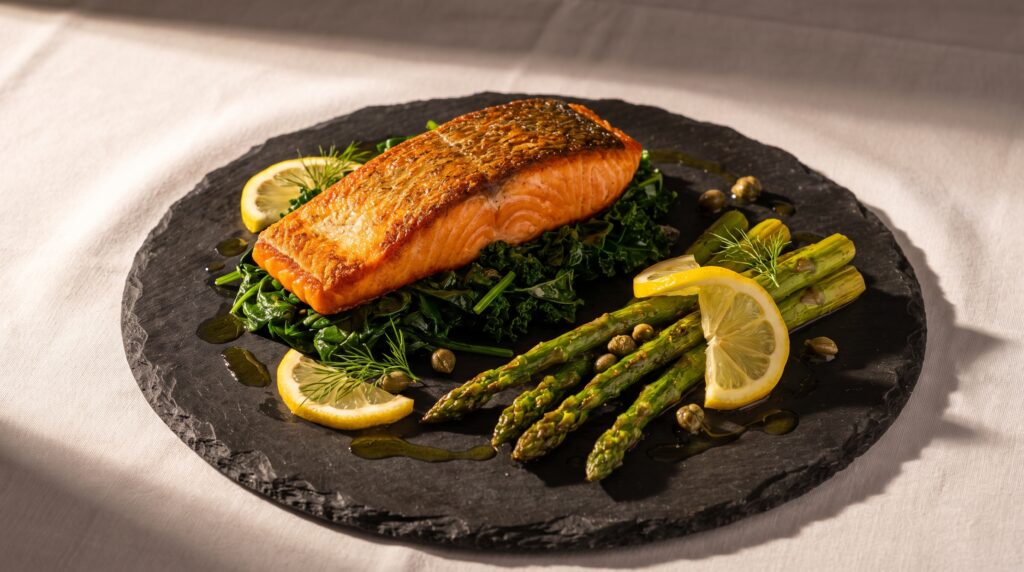
The omega-3 fatty acids EPA and DHA found in wild-caught salmon are among the most potent anti-inflammatory nutrients available — and their effects on gut inflammation are specific and well-documented.
Omega-3s reduce production of pro-inflammatory prostaglandins and cytokines that damage the gut lining and disrupt tight junction integrity. They also directly modulate microbiome composition: research published in Gut in 2020 found that omega-3 supplementation significantly increased Lactobacillus and Bifidobacterium populations while reducing pro-inflammatory Bacteroidetes species.
Wild-caught salmon contains substantially higher omega-3 levels than farmed salmon, along with a cleaner fatty acid profile and fewer inflammatory omega-6s from fish feed.
How to use it: 2–3 servings per week (4–6 oz per serving). Baked, pan-seared, or poached — avoid deep frying, which degrades the omega-3 content. Canned wild-caught salmon (sockeye or pink) is a convenient, affordable alternative to fresh. If dietary intake is inconsistent, a high-quality omega-3 supplement (EPA+DHA combined, 1–3g daily) bridges the gap effectively.
13. Green (Unripe) Bananas
Green bananas are one of the best food sources of resistant starch — a type of carbohydrate that resists digestion in the small intestine and reaches the colon intact, where it becomes fuel for butyrate-producing bacteria.
Butyrate is the most important short-chain fatty acid for gut health. It is the primary energy source for colonocytes (the cells lining the colon), has direct anti-inflammatory effects on the gut lining, helps maintain tight junction integrity, and has been shown to reduce the risk of colorectal cancer in research studies.
As bananas ripen, the resistant starch converts to simple sugars — so the gut health benefit is specifically in the less-ripe, firmer, greener versions.
A 2019 study in Nutrients found that resistant starch from green bananas significantly increased butyrate-producing bacterial populations and improved markers of gut barrier integrity over an 8-week period.
How to use it: Slice into smoothies (they blend well and add creaminess without the sweetness of ripe bananas), eat as a snack with almond butter, or slice over overnight oats. If the texture is unappealing raw, slightly underripe bananas — still firm with a hint of green — retain most of their resistant starch while being more palatable.
14. Dark Leafy Greens
Spinach, kale, Swiss chard, arugula, collard greens — this category of foods provides a combination of nutrients that specifically support gut health through multiple mechanisms simultaneously.
The key gut-health compounds in dark leafy greens include:
Sulfolipids — unique fat-soluble compounds found in abundance in leafy greens that have been shown to selectively feed Bifidobacterium species and inhibit certain pathogenic bacteria including H. pylori.
Folate — essential for DNA synthesis and cell repair in the rapidly dividing cells of the gut lining, which replace themselves every 3–5 days.
Vitamin K2 (in some varieties) — increasingly studied for its role in gut microbiome composition and gut barrier integrity.
Diverse prebiotic fibers — each leafy green contains a slightly different fiber composition, meaning rotating between different varieties feeds a broader range of beneficial bacterial species.
How to use it: Raw in salads, sautéed in olive oil with garlic (combining three gut-healing foods), blended into smoothies, or wilted into soups and stews. Rotating between different leafy greens — spinach one day, kale the next, arugula after that — contributes meaningfully to the “30 plant foods per week” goal discussed in our gut microbiome guide.
15. Dark Chocolate (85% Cacao or Higher)
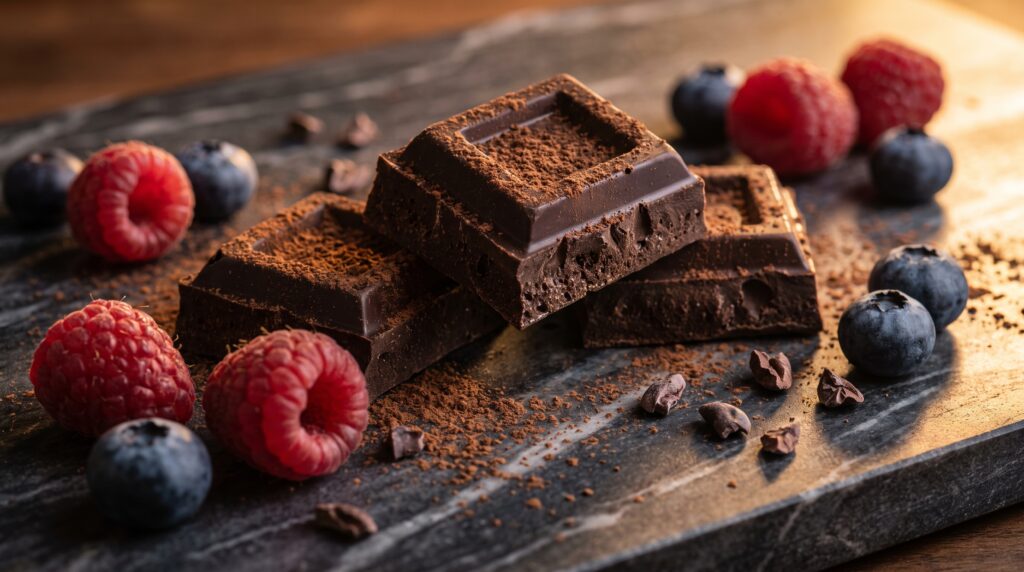
This one surprises people — and it’s worth being precise about what the research actually says, because the benefit is specific to high-cacao dark chocolate, not chocolate generally.
Cacao is one of the richest sources of polyphenols in the human diet — specifically flavanols that, like blueberry polyphenols, pass undigested to the colon where they selectively feed beneficial bacterial populations.
A randomized controlled trial published in the American Journal of Clinical Nutrition found that daily consumption of high-flavanol cocoa significantly increased Lactobacillus and Bifidobacterium populations and reduced Clostridium populations over 4 weeks. Inflammatory markers also decreased significantly.
The key is cacao content: 85% or higher. At lower percentages, the sugar content begins to outweigh the polyphenol benefit. Milk chocolate — with milk proteins that bind flavanols and prevent absorption — provides essentially no gut health benefit.
How to use it: 1–2 squares (approximately 20–30g) of 85%+ dark chocolate daily. Eat plain, chop into overnight oats or trail mix, or melt and drizzle over berries. Look for chocolate with minimal ingredients: cacao, cocoa butter, sugar, and possibly vanilla — nothing else.
💊 Want to accelerate your gut healing? A quality probiotic supplement combined with these foods produces significantly faster results than food alone. See Will Silva’s top probiotic recommendation on Amazon
How to Build These Foods Into Your Daily Life
Knowing the foods is one thing. Consistently eating them is another.
The most effective approach isn’t a rigid meal plan — it’s building what behavioral scientists call “implementation intentions”: specific, concrete plans for when and how each food will appear in your routine.
Breakfast: Overnight oats made with kefir instead of milk, topped with blueberries and green banana slices. This one meal combines four gut-healing foods (oats, kefir, blueberries, green banana) with minimal effort.
Lunch: A large salad with dark leafy greens (spinach + arugula), extra virgin olive oil dressing with raw garlic, sauerkraut on the side. Five gut-healing foods in one meal.
Dinner: Wild-caught salmon with asparagus roasted in olive oil, a side of kimchi, turmeric-spiced rice with black pepper. Four more gut-healing foods.
Snacks: Two squares of 85% dark chocolate. A cup of bone broth. Fresh ginger tea.
Running the count: a day built around these habits easily incorporates 12–15 of the 15 foods on this list. Over a week, you’ll also be well on your way toward the 30 different plant foods target.
Foods to Minimize While Healing Your Gut
The 15 foods above build gut health. These common dietary choices actively undermine it — and consuming them regularly will significantly slow or prevent the healing these foods can facilitate.
Ultra-processed foods with emulsifiers — polysorbate 80, carrageenan, and carboxymethylcellulose directly damage the mucus layer protecting your gut lining.
Refined sugar — selectively feeds harmful bacterial species and yeast while starving the beneficial bacteria that need complex fiber.
Refined seed oils (canola, soybean, corn oil) — high omega-6 content promotes inflammatory microbiome conditions when consumed in excess.
Alcohol — even moderate amounts are directly toxic to gut lining cells and promote gram-negative bacterial overgrowth.
Artificial sweeteners — despite being zero-calorie, sucralose and saccharin have been shown to negatively alter gut microbiome composition.
The Bottom Line
Food is the most powerful gut health tool available to you — more accessible than any supplement, more sustainable than any protocol, and backed by more research than almost any pharmaceutical intervention for chronic gut conditions.
The 15 foods in this guide work through complementary mechanisms: introducing beneficial bacteria, feeding the ones already present, repairing the gut lining, and reducing the inflammation that prevents healing. You don’t need to eat all 15 every day — but consistently including 8–10 of them in your weekly rotation will produce measurable, meaningful improvements in how your gut functions and how you feel.
Start with the ones you already enjoy. Build from there.
→ Also read: How to Improve Your Gut Microbiome Naturally (7 Proven Ways)
→ Also read: 10 Signs You Have an Unhealthy Gut (And How to Fix It)
Frequently Asked Questions
Q: What is the single best food for gut health? A: If forced to choose one, kefir has the strongest and most consistent scientific evidence for improving gut microbiome composition — providing multiple probiotic strains, reducing inflammation, and supporting gut lining integrity simultaneously. That said, diversity of foods matters more than any single food.
Q: How long does it take for gut-healing foods to work? A: Measurable microbiome changes can occur within 24–48 hours of dietary change. Noticeable symptom improvement (reduced bloating, better energy, improved digestion) typically appears within 2–4 weeks of consistent inclusion of these foods.
Q: Can I eat these foods if I have IBS or food sensitivities? A: Most of these foods are well-tolerated even with IBS, but some (garlic, onions, asparagus) are high-FODMAP and may need to be introduced gradually. Fermented foods can also temporarily increase gas as the microbiome adjusts. Start with lower-FODMAP options (oats, blueberries, salmon, dark chocolate, spinach, bone broth) and introduce others slowly.
Q: Do I need supplements if I’m eating these foods regularly? A: For most people, consistent consumption of these foods alongside a varied diet provides significant gut health benefits without supplementation. However, for those recovering from antibiotic use, significant dysbiosis, or gut lining damage, a quality probiotic supplement can meaningfully accelerate the process.
Q: Is bone broth actually beneficial or just a trend? A: The evidence is genuine, though it’s been overhyped in wellness culture. Bone broth’s L-glutamine content has solid clinical evidence for supporting gut lining integrity. Its collagen content provides the amino acids needed for gut repair. It’s not a miracle cure, but it’s a legitimate gut-healing food with specific, well-understood mechanisms.
References & Further Reading
- Wastyk HC, et al. “Gut-microbiota-targeted diets modulate human immune status.” Cell, 2021.
- Kim ES, et al. “Fermented foods and gut health.” World Journal of Gastroenterology, 2019.
- Benjamin J, et al. “Glutamine and whey protein improve intestinal permeability.” Journal of Clinical Gastroenterology, 2017.
- Anand P, et al. “Biological activities of curcumin and its analogues.” Biochemical Pharmacology, 2008.
- Mitsou EK, et al. “Adherence to the Mediterranean diet is associated with gut microbiota pattern.” Public Health Nutrition, 2017.
- Dahl WJ & Stewart ML. “Position of the Academy of Nutrition and Dietetics: Health Implications of Dietary Fiber.” Journal of the Academy of Nutrition and Dietetics, 2015.
This article is for informational purposes only and does not constitute medical advice. Always consult a qualified healthcare professional for personal health concerns.

3 Comments