
There’s a New Word Taking Over Health TikTok: Fibermaxxing. Here is How to Do It Right.
There’s a new word taking over health TikTok, nutrition podcasts, and grocery store packaging in 2026.
Fibermaxxing.
If you haven’t heard it yet, you will. It’s the practice of deliberately maximizing your daily fiber intake — prioritizing fiber at every meal the way protein obsessives count grams — and it’s become the biggest nutrition trend in America this year, displacing the high-protein craze that dominated for the past several years.
The CEOs of McDonald’s and PepsiCo have both publicly named fiber as the food trend they expect to define their industries this year. Whole Foods predicted fiber-forward product launches as one of its top 2026 trends. EatingWell reported a 9,500% increase in page views on articles mentioning fiber.
Here’s the thing though — and this is what most fibermaxxing content misses entirely.
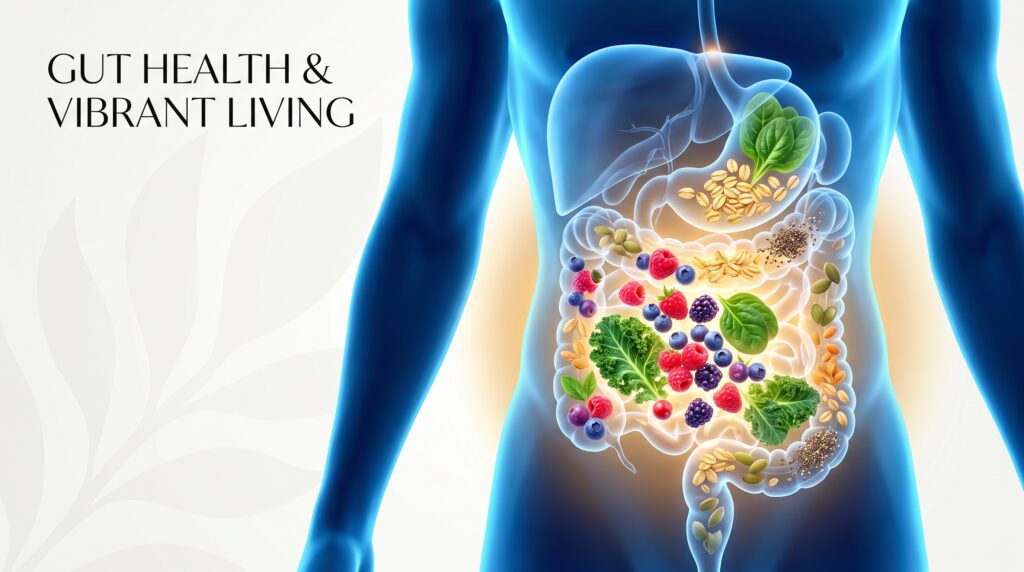
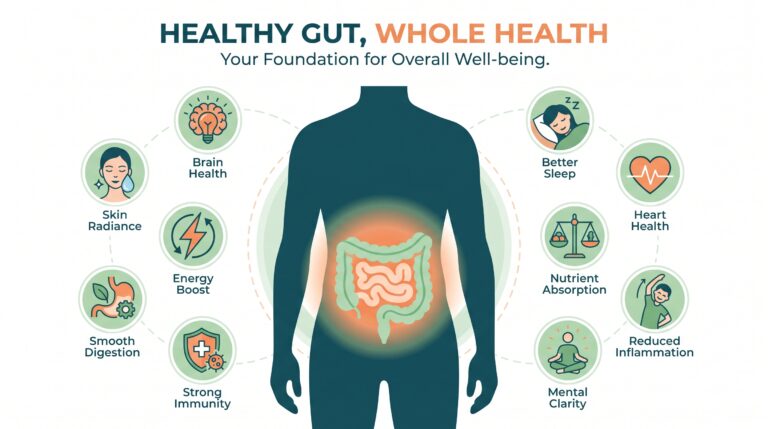
The reason fiber matters so much isn’t because hitting a gram target is inherently healthy. It’s because fiber is the primary food source for your gut microbiome. Without adequate fiber, the trillions of bacteria in your gut that regulate digestion, immunity, weight, mood, and hundreds of other biological functions slowly starve. With it, they thrive — and everything those bacteria influence thrives with them.
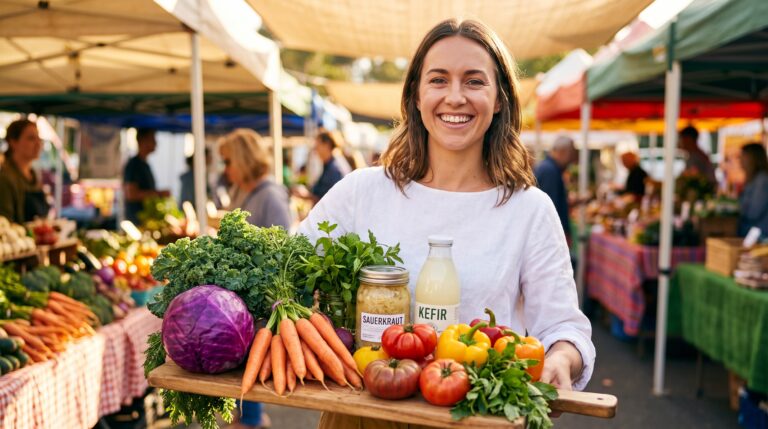
Fibermaxxing done right isn’t about eating more bran cereal. It’s about strategically feeding your gut microbiome. Here’s how.
Quick Reference: Fibermaxxing and Gut Health
| Topic | Key Facts |
| Average American fiber intake | 10–15 grams per day |
| Recommended daily intake | 25g (women) / 38g (men) |
| Americans meeting the recommendation | Less than 5% |
| Search interest growth (2025–2026) | 9,500% on major platforms |
| Fiber’s gut nickname | “Nature’s Ozempic” — stimulates GLP-1 naturally |
| Fibermaxxing target | 30–40+ grams daily from whole food sources |
| Timeline to notice gut improvement | 1–2 weeks consistent intake |
| Best fiber sources for gut health | Legumes, oats, vegetables, fruits, seeds |
What Fibermaxxing Actually Is
The term was born on TikTok — as most nutrition trends are these days — but the concept it describes is legitimate and overdue.
Fibermaxxing means treating fiber intake with the same intentionality that the fitness world applies to protein. Tracking it. Prioritizing it at every meal. Choosing whole foods that deliver meaningful fiber rather than accidentally hitting it as an afterthought.
Roughly 95% of Americans fail to meet dietary fiber recommendations, despite decades of evidence linking higher fiber diets with improved metabolic, cardiovascular, and gut health. We’ve known fiber matters for a long time. What’s changing is that people are finally paying attention — and the gut health research is giving them specific, compelling reasons to.
Viewed through that lens, fibermaxxing is less about maximizing anything and more about correcting a longstanding nutritional deficiency. The “fiber gap” — the distance between what Americans actually eat (10–15 grams daily) and what they need (25–38 grams) — is one of the most consistent and consequential nutritional shortfalls in the country.
And your gut microbiome bears the cost of it more than any other system in your body.
Why Fiber Is Called “Nature’s Ozempic”
This is the angle that explains why fibermaxxing went from niche to mainstream in 2026 so quickly.
Because fiber naturally increases the GLP-1 hormone in the body, it has sometimes been given the nickname “nature’s Ozempic.”
GLP-1 — glucagon-like peptide-1 — is the hormone that medications like Ozempic, Wegovy, and Mounjaro are designed to mimic. It signals fullness to the brain, slows gastric emptying, reduces appetite, and improves insulin sensitivity. It’s the most talked-about hormone in weight management right now.
What most people taking or considering those medications don’t know is that their gut produces GLP-1 naturally — in specialized cells called L-cells distributed throughout the intestinal lining. And the primary stimulus for GLP-1 production from those L-cells is the fermentation of dietary fiber by gut bacteria.
When your gut microbiome is diverse and fiber-fed, it produces the short-chain fatty acids that directly trigger L-cell GLP-1 release. When it’s depleted and fiber-starved — as it is in 95% of Americans — GLP-1 production is significantly reduced. Appetite regulation weakens. Hunger signals intensify. Weight management becomes harder.
Increasing fiber doesn’t replicate pharmaceutical GLP-1 doses. But for people with gut dysbiosis and chronically low fiber intake, restoring fiber to adequate levels produces meaningful improvements in appetite regulation through this exact mechanism — no prescription required.
The Two Types of Fiber — and Why Both Matter for Your Gut
Most fibermaxxing content treats fiber as a single nutrient. It’s not. There are two distinct types, and they serve different functions in the gut. Understanding the difference changes what you eat and why.
1. Soluble Fiber — Feeds Your Gut Bacteria Directly
Soluble fiber dissolves in water to form a gel-like substance in the digestive tract. It doesn’t pass through your gut quickly — it slows down, ferments slowly in the colon, and in the process feeds the beneficial bacteria that produce butyrate, propionate, and acetate.
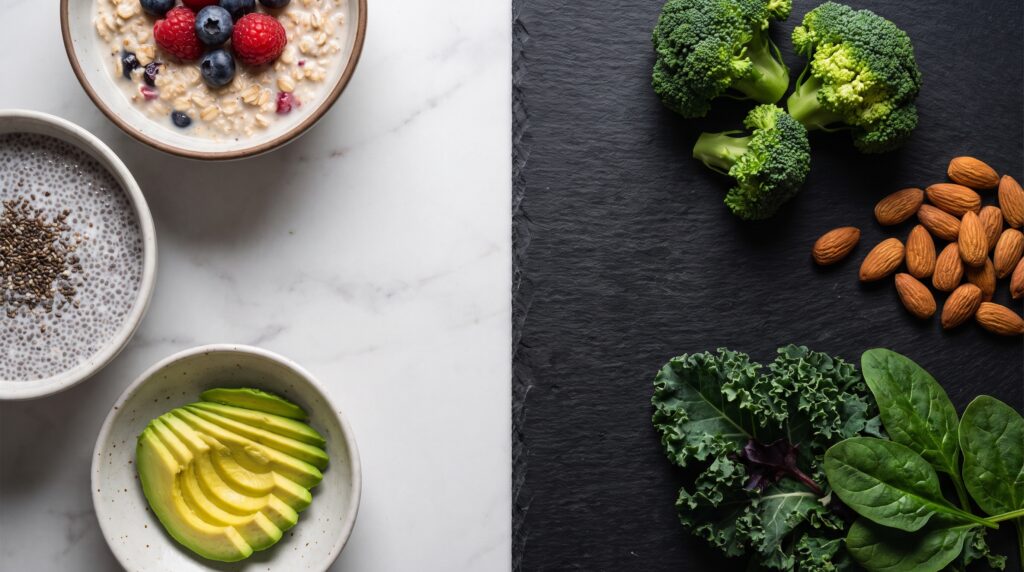
- Best soluble fiber sources: Oats (beta-glucan), apples (pectin), legumes (beans, lentils, chickpeas), psyllium husk, flaxseeds, chia seeds, and most root vegetables.
2. Insoluble Fiber — Keeps Things Moving
Insoluble fiber doesn’t dissolve in water. It adds bulk to stool and accelerates transit time through the digestive tract — the mechanism behind regular bowel movements and reduced constipation. It also feeds different bacterial species than soluble fiber does, contributing to microbiome diversity.
- Best insoluble fiber sources: Whole grains (brown rice, whole wheat), dark leafy greens, broccoli, cauliflower, nuts, seeds, and the skins of most fruits and vegetables.
The goal of fibermaxxing for gut health isn’t to maximize one type. It’s to get adequate amounts of both — which naturally happens when you eat a varied, plant-rich diet.
Fibermaxxing for Gut Health: The 8 Best Foods
- Legumes (Beans, Lentils, Chickpeas)
- The Profile: 12–15 grams of fiber per cooked cup.
- The Science: Research shows regular legume consumption significantly increases Faecalibacterium prausnitzii — the single bacterial species most consistently associated with gut health.
- Fibermaxxing tip: Add half a cup of legumes to at least two meals per day. A handful of chickpeas in a salad or lentils blended into a soup adds 6–8 grams of fiber with minimal effort.
- Oats
- The Profile: 4 grams of fiber per cooked cup (highly rich in beta-glucan).
- The Science: Beta-glucan selectively increases Bifidobacterium and Lactobacillus populations. It also reduces post-meal blood sugar spikes by slowing gastric emptying.
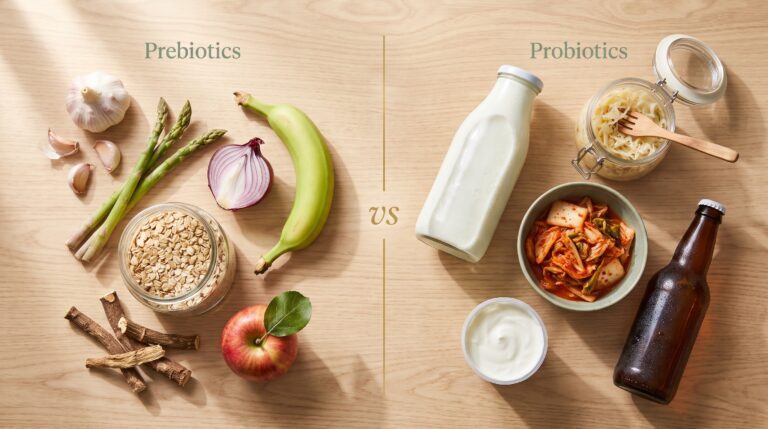
- Fibermaxxing tip: Make overnight oats with kefir instead of milk. You get beta-glucan prebiotic from the oats plus live probiotic cultures from the kefir.
- Chia Seeds
- The Profile: 10 grams of fiber per two tablespoons.
- The Science: In liquid, chia seeds form a gel that slows digestion, feeds gut bacteria through slow fermentation, and produces a sustained satiety effect.
- Fibermaxxing tip: A chia pudding made with kefir or plant milk, left overnight, provides 10+ grams of fiber and probiotic benefit simultaneously.
- Avocado
- The Profile: 10 grams per whole avocado.
- The Science: A 2021 trial found that daily avocado consumption over 12 weeks significantly increased gut microbiome diversity, supporting gut barrier integrity and reducing inflammation.
- Fibermaxxing tip: Half an avocado at lunch adds 5 grams of prebiotic fiber alongside healthy fats that improve nutrient absorption from your salad.
- Berries
- The Profile: 7-8 grams of fiber per cup (especially raspberries and blackberries).
- The Science: Berries provide a unique combination of soluble fiber and polyphenols. These polyphenols selectively feed Akkermansia muciniphila, a bacteria associated with healthy gut barrier function and metabolic health.
- Fibermaxxing tip: A half-cup of mixed frozen berries added to morning oats provides 3–4 grams of prebiotic fiber and meaningful polyphenol diversity.
- Broccoli and Cruciferous Vegetables
- The Profile: 5 grams of fiber per cup.
- The Science: Provides insoluble fiber alongside sulforaphane, which has demonstrated specific anti-inflammatory effects in the gut lining and antimicrobial activity against H. pylori.
- Fibermaxxing tip: Rotate between broccoli, cauliflower, Brussels sprouts, and cabbage across the week to provide different fiber compositions.
- Flaxseeds (Ground)
- The Profile: 2 grams of fiber per tablespoon.
- The Science: The lignan content is metabolized by specific gut bacteria into compounds with anti-inflammatory and hormone-modulating effects.
- Fibermaxxing tip: Add a tablespoon of ground flaxseed (whole seeds won’t digest) to smoothies or yogurt daily.
- Sweet Potatoes
- The Profile: 4 grams of fiber per medium potato.
- The Science: Cooked and cooled sweet potatoes have high resistant starch content, which specifically feeds the butyrate-producing bacteria whose output directly maintains the gut lining.
- Fibermaxxing tip: Replace refined carbohydrates (white rice, pasta) with sweet potato to swap empty calories for gut-supportive fiber.
How to Actually Hit 30 Grams of Fiber Daily
Knowing the foods is one thing. Building a realistic daily pattern that hits 30 grams consistently is another. Here’s a practical template:
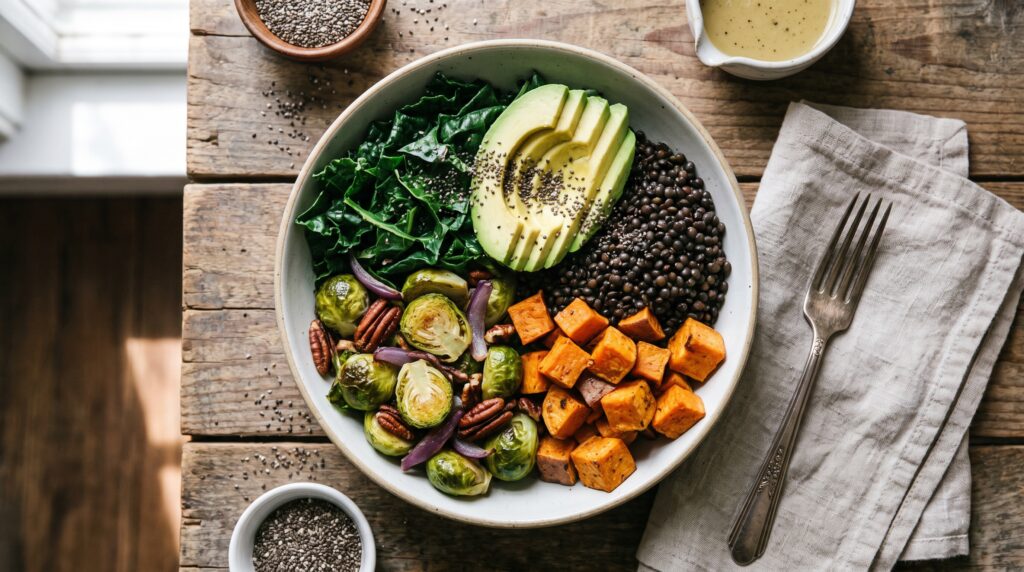
- Breakfast (10–12 grams): Overnight oats made with kefir, topped with frozen mixed berries, a tablespoon of ground flaxseed, and chia seeds.
- Lunch (10–12 grams): A large salad with dark leafy greens, half an avocado, roasted broccoli, half a cup of black beans, and olive oil dressing.
- Dinner (8–10 grams): A grain bowl with sweet potato, lentils, roasted cruciferous vegetables, and a serving of kimchi.
- Snacks (2–4 grams): An apple with almond butter, or a small bowl of edamame.
What Fibermaxxing Gets Wrong
The trend is mostly positive, but there are a few ways fibermaxxing goes sideways:
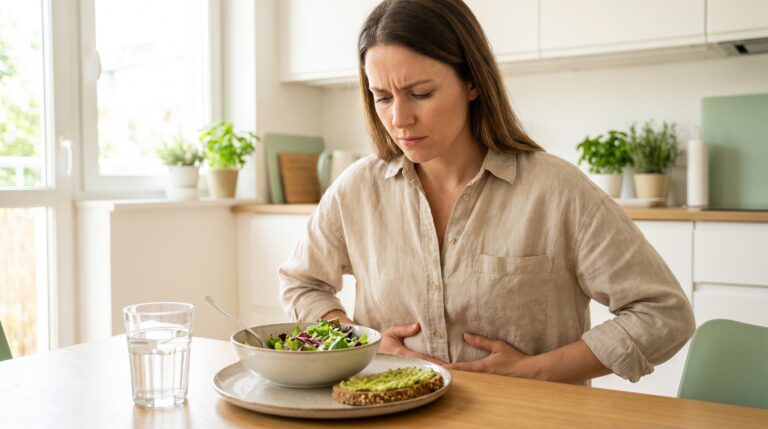
- Going too fast: Jumping from 10 grams to 40 grams of fiber overnight is a reliable way to produce significant bloating, gas, and discomfort. Increase by 5 grams per week over four to six weeks.
- Too much of a good thing: Too much fiber (50+ grams) can cause constipation and bind with minerals like calcium and iron, decreasing their absorption. Thirty to thirty-eight grams is the sweet spot.
- Relying on supplements: Psyllium husk capsules don’t provide the polyphenols, vitamins, and phytonutrients that whole food fiber sources deliver. Use them to bridge gaps, not as the foundation.
- Forgetting water: Fiber absorbs water. Dramatically increasing fiber intake without increasing water intake produces constipation. Aim for at least two liters of water daily.
The Missing Link: Preparing Your Gut for Fiber
Here is the ultimate catch-22 of fibermaxxing: Fiber feeds your gut bacteria, but if your diet has been low in fiber for years, you currently lack the very bacteria needed to break that new fiber down.
This is why people experience intense bloating and gas when they suddenly start eating beans and broccoli. They are throwing high-quality fuel into an engine that doesn’t have the spark plugs to ignite it.
Before you start aggressively ramping up your fiber intake, you need to “seed” your gut with the right microbes so they can process the food you are about to give them.
💊 How to fix this: Seed your gut first, then feed it. A high-quality probiotic introduces the beneficial strains that will ferment your new fiber intake efficiently, preventing the dreaded “fiber bloat.”
The Bottom Line
What’s new in 2026 isn’t the science. It’s the cultural moment. For gut health specifically, the case for fibermaxxing is stronger than the case for almost any other single dietary change.
You don’t need to track grams obsessively. You need whole food plants at most meals — legumes, vegetables, fruits, whole grains, seeds — in variety and consistency. That’s what fibermaxxing looks like when it’s done right. And it’s what your gut has needed all along.
→ Read next: Gut Health Diet Plan for Beginners: A Complete 7-Day Guide
→ Also read: How to Improve Your Gut Microbiome Naturally (7 Proven Ways)
Frequently Asked Questions
Q: What is fibermaxxing and is it actually healthy?
A: Fibermaxxing is the practice of deliberately maximizing daily fiber intake by prioritizing fiber at every meal. When done through whole food sources at the recommended 25–38 grams daily, it’s one of the most evidence-supported dietary changes for gut health and metabolic function.
Q: How much fiber do I need per day for gut health?
A: The target is 25 grams daily for women and 38 grams for men. Most Americans currently consume 10–15 grams.
Q: Can fibermaxxing help with weight loss?
A: Yes. High fiber intake increases satiety, slows gastric emptying, stabilizes blood sugar, and critically stimulates natural GLP-1 production by gut bacteria (why it’s called “nature’s Ozempic”).
Q: What happens if you eat too much fiber?
A: Increasing fiber too quickly causes temporary bloating and gas. At very high levels (50+ grams), it can impair mineral absorption and cause constipation if hydration is inadequate.
Q: Is fiber from supplements as good as fiber from whole foods?
A: For hitting a gram target, yes. For gut microbiome benefit, no. Whole foods provide a diversity of fiber types, polyphenols, and phytonutrients that supplements lack.
References & Further Reading
- Slavin JL. “Fiber and Prebiotics: Mechanisms and Health Benefits.” Nutrients, 2013.
- Baxter NT, et al. “Dynamics of Human Gut Microbiota and Short-Chain Fatty Acids in Response to Dietary Interventions with Three Fermentable Fibers.” mBio, 2019.
- Dahl WJ & Stewart ML. “Position of the Academy of Nutrition and Dietetics: Health Implications of Dietary Fiber.” Journal of the Academy of Nutrition and Dietetics, 2015.
- Wastyk HC, et al. “Gut-microbiota-targeted diets modulate human immune status.” Cell, 2021.
- Holscher HD. “Dietary fiber and prebiotics and the gastrointestinal microbiota.” Gut Microbes, 2017.
- Koh A, et al. “From dietary fiber to host physiology: short-chain fatty acids as key bacterial metabolites.” Cell, 2016.
This article is for informational purposes only and does not constitute medical advice. Always consult a qualified healthcare professional for personal health concerns.



One Comment